14 hr
Bursa & Uludag Mountain Day Trip from Istanbul
Journey to the birthplace of the Ottoman Empire with mountain scenery, historic sites, and traditional crafts
Reserve
First capital of an empire, silk-road crossroads under Uludağ's shadow
Hand-picked by our editors — only the best 12 experiences from 47 reviewed.
Verified partners for Bursa tours, free cancellation where available, and instant confirmation on every booking.
14 hr
Journey to the birthplace of the Ottoman Empire with mountain scenery, historic sites, and traditional crafts
Reserve
13 hr
Journey to the Ottoman Empire's first capital for mountain views, historic sites, and Turkish delights
Reserve
13 hr
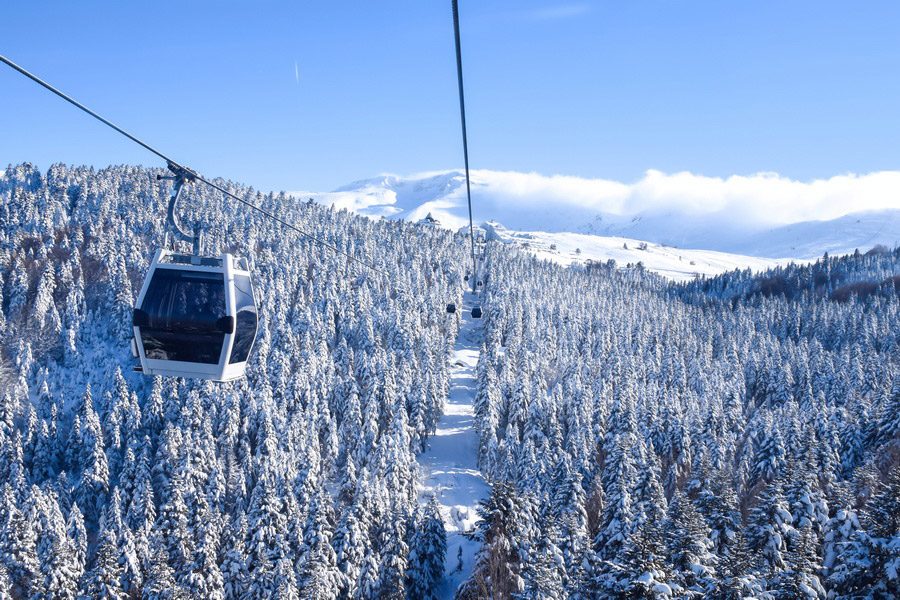
Discover the Ottoman Empire's birthplace with royal tombs, silk bazaars, and a cable car ride up Uludağ
ReservePrices from verified partners. Availability updates in real time at checkout. Free cancellation policies apply where shown.
The landmarks, rooms, and views travelers on Bursa tours remember — all visible on a single visit.
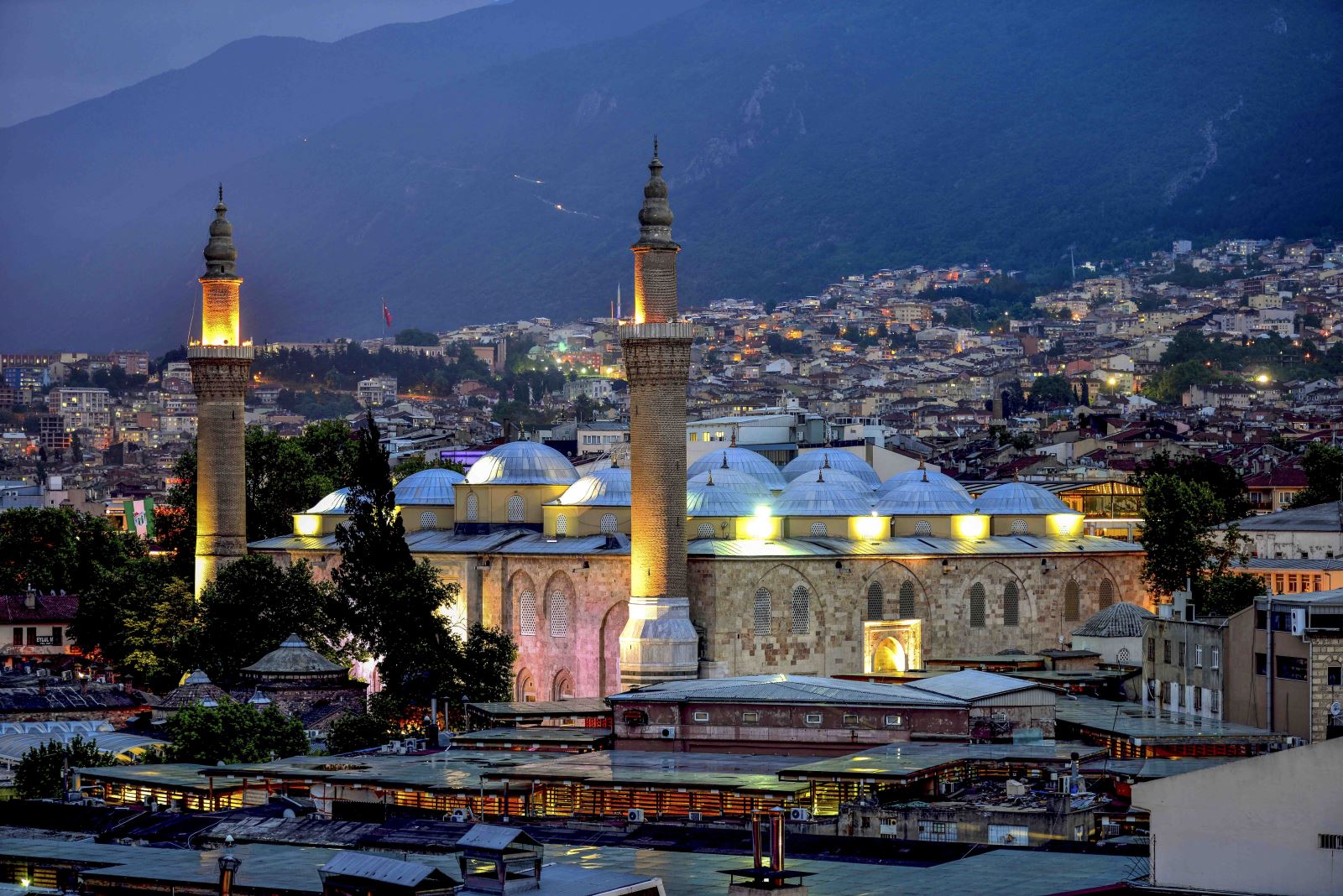
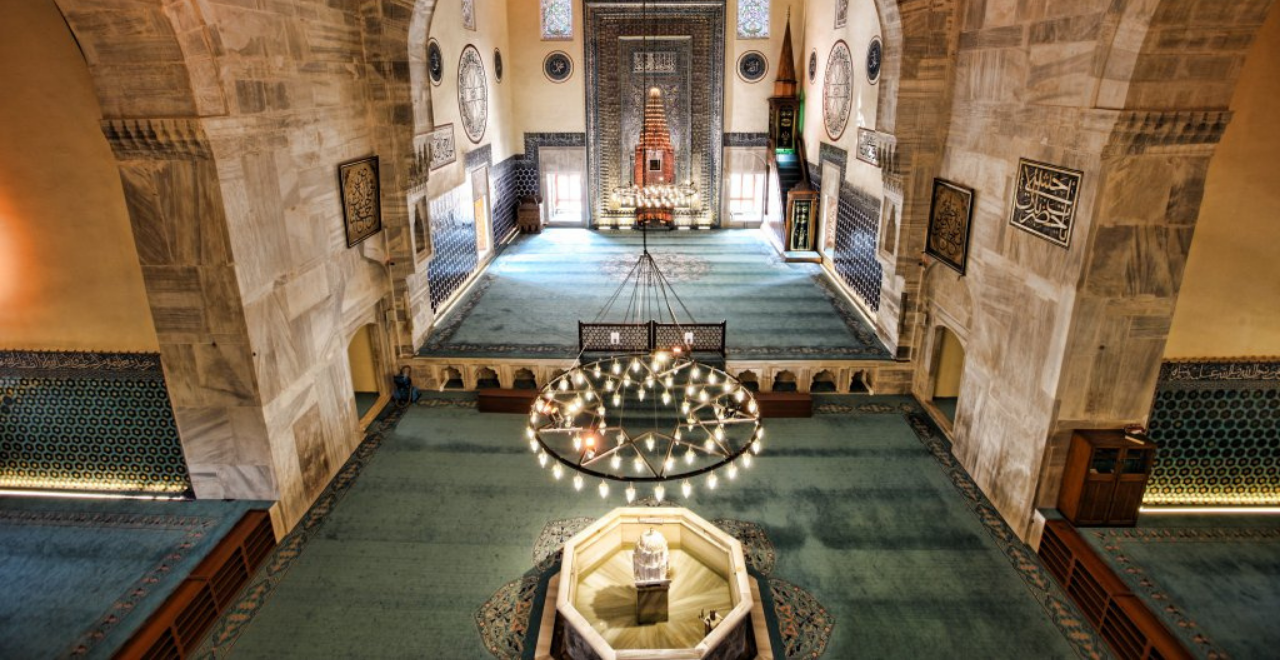
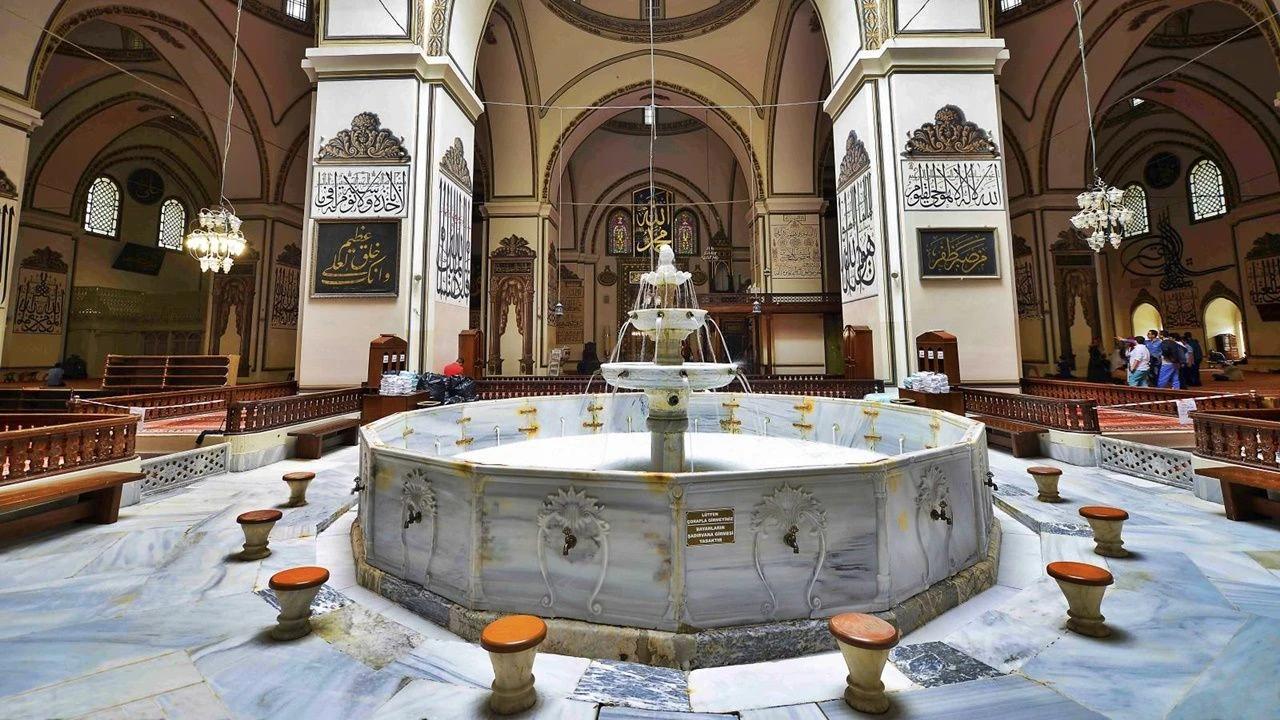
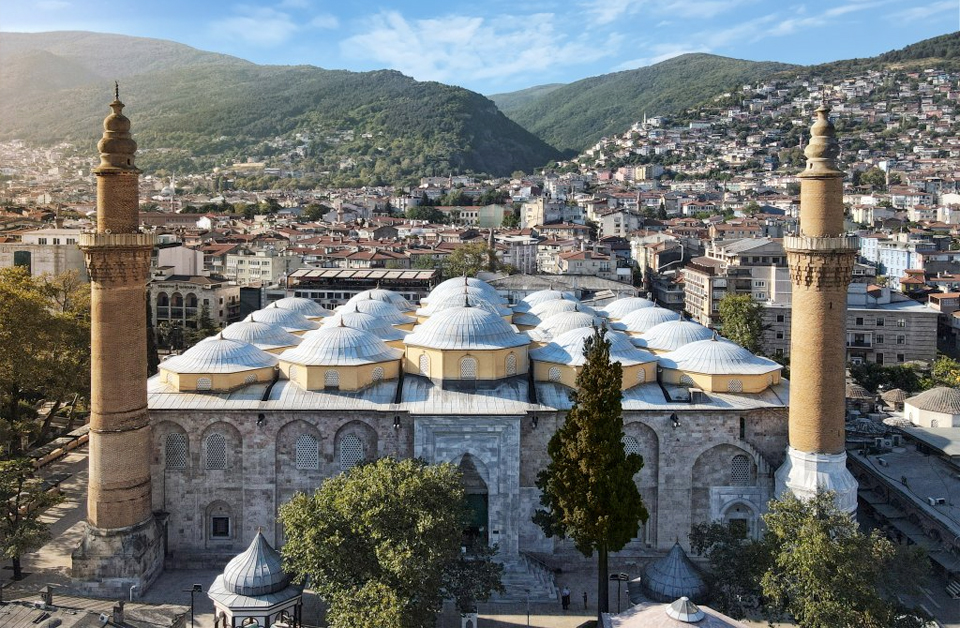
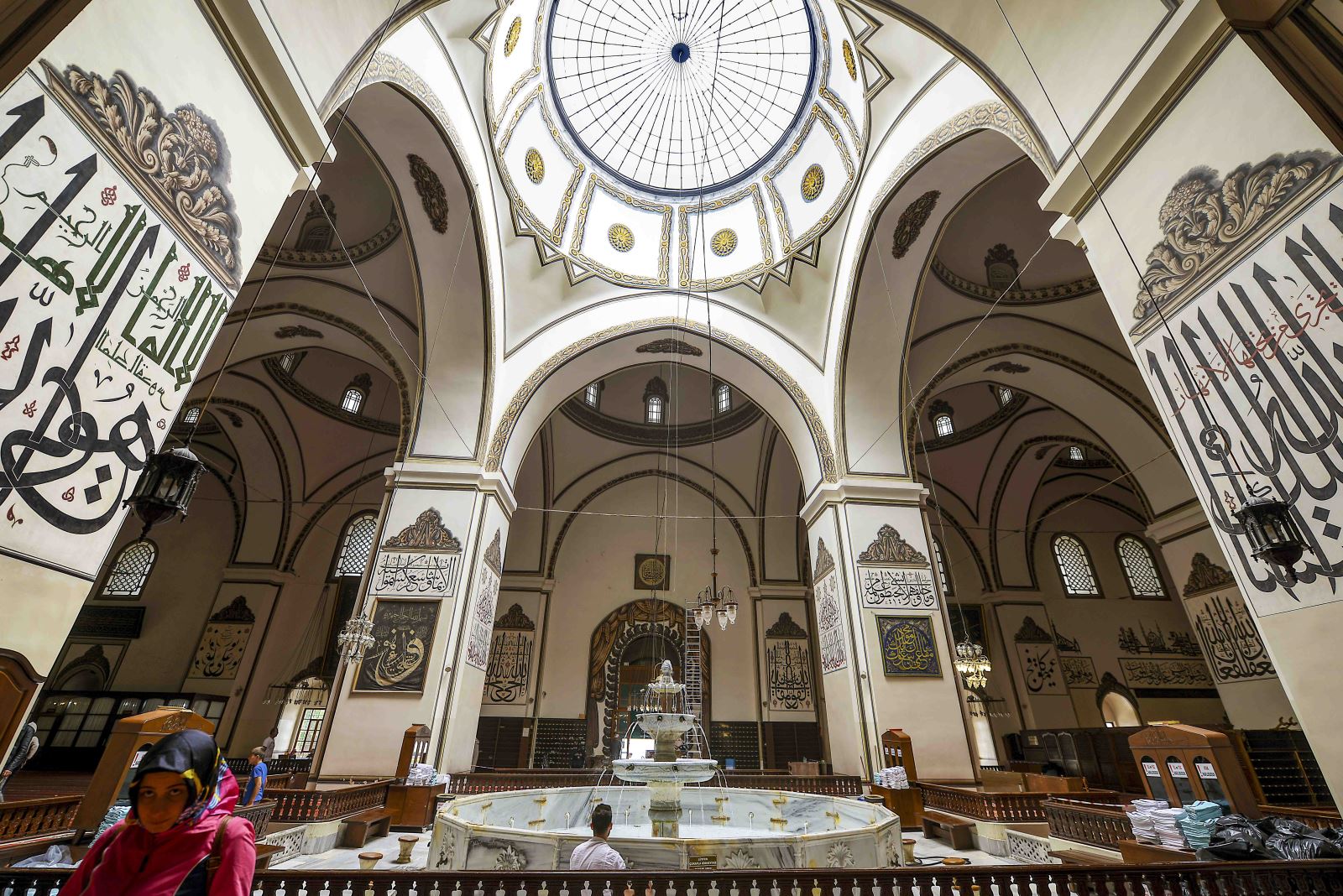
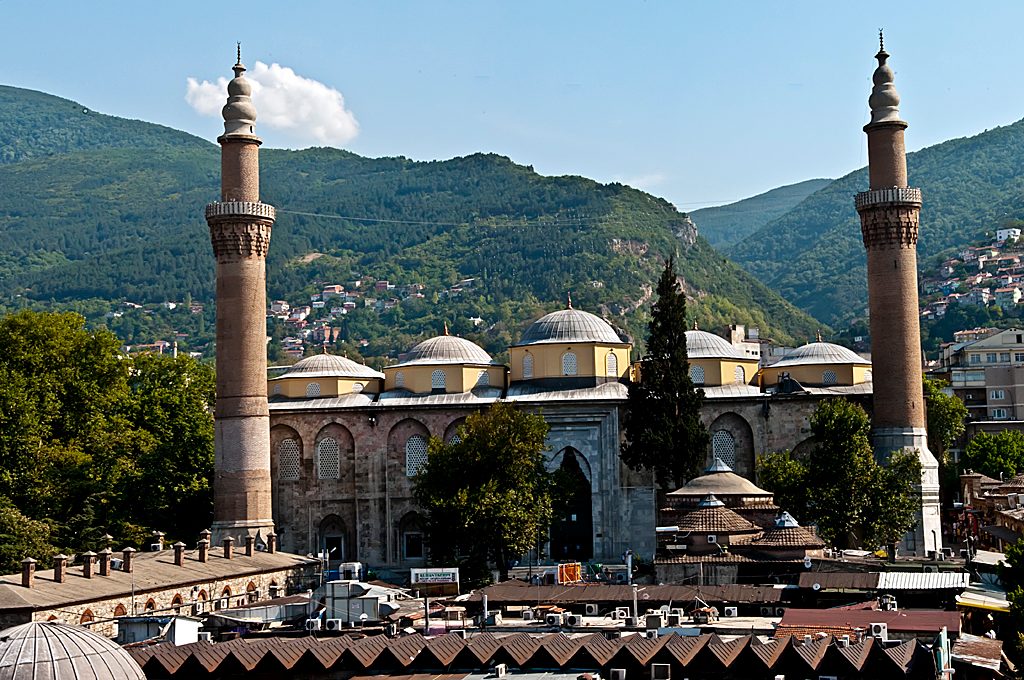
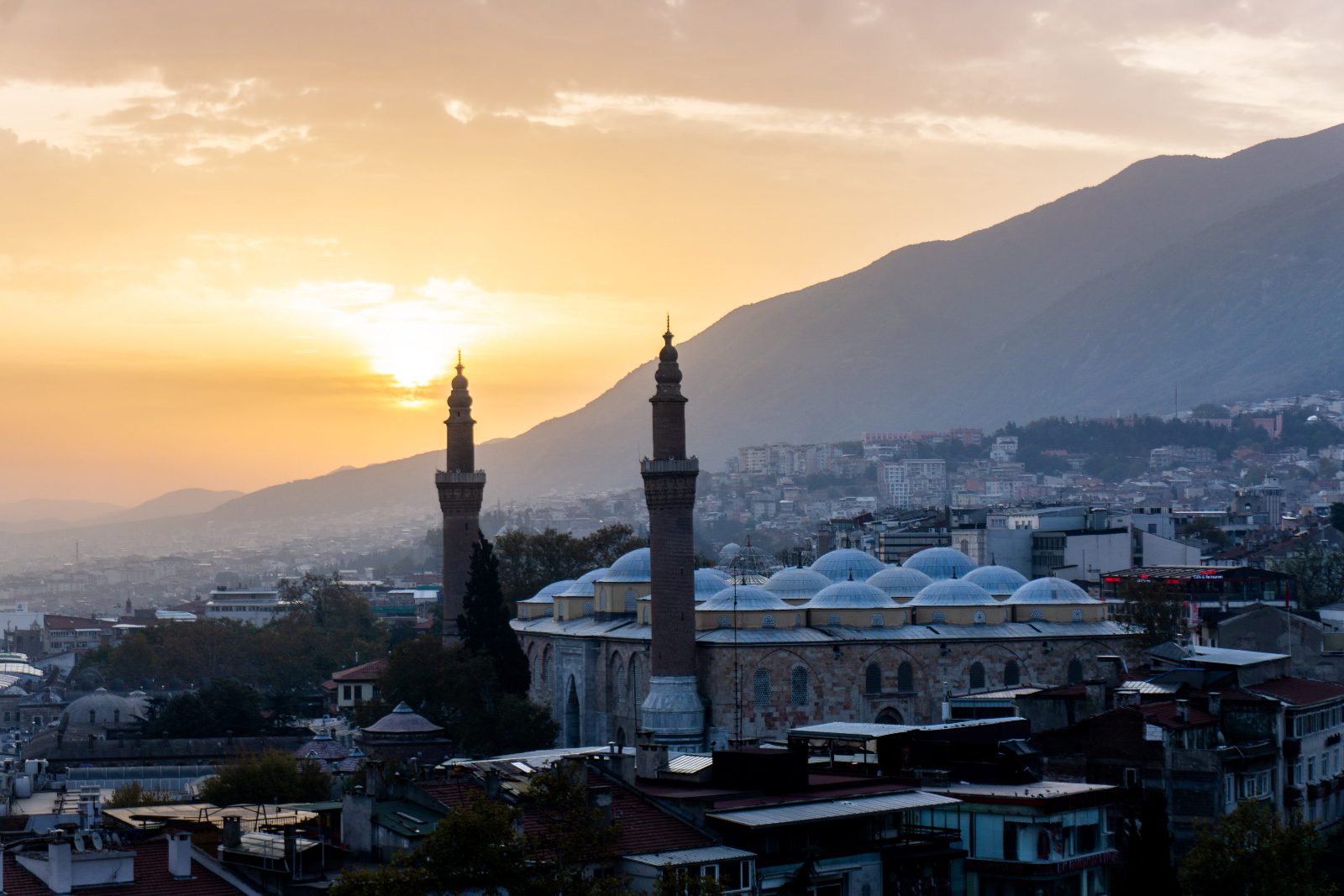
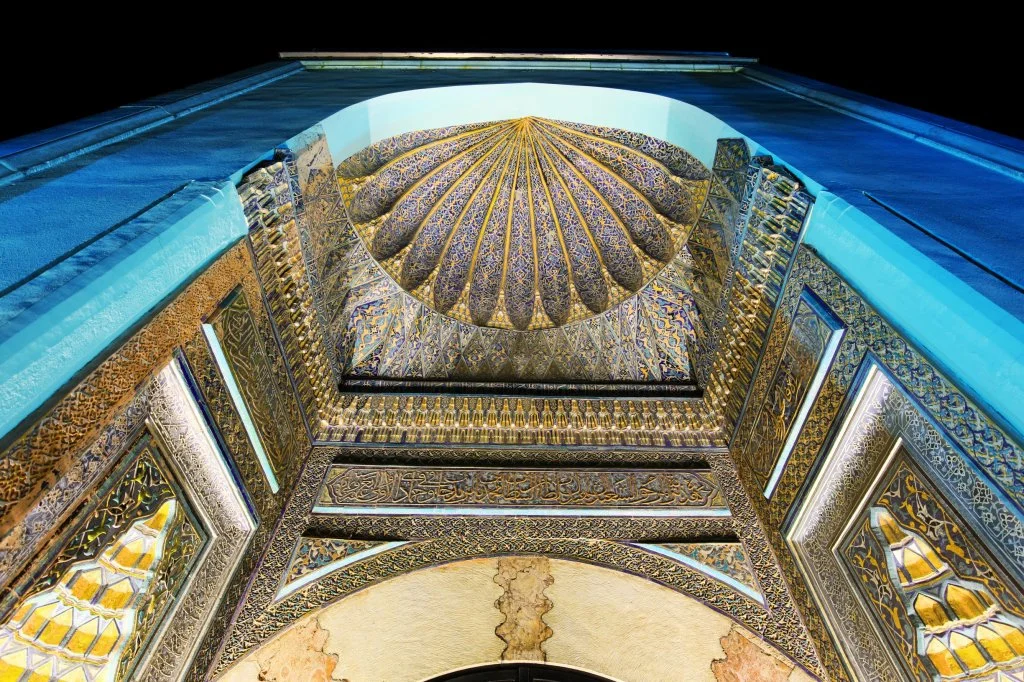
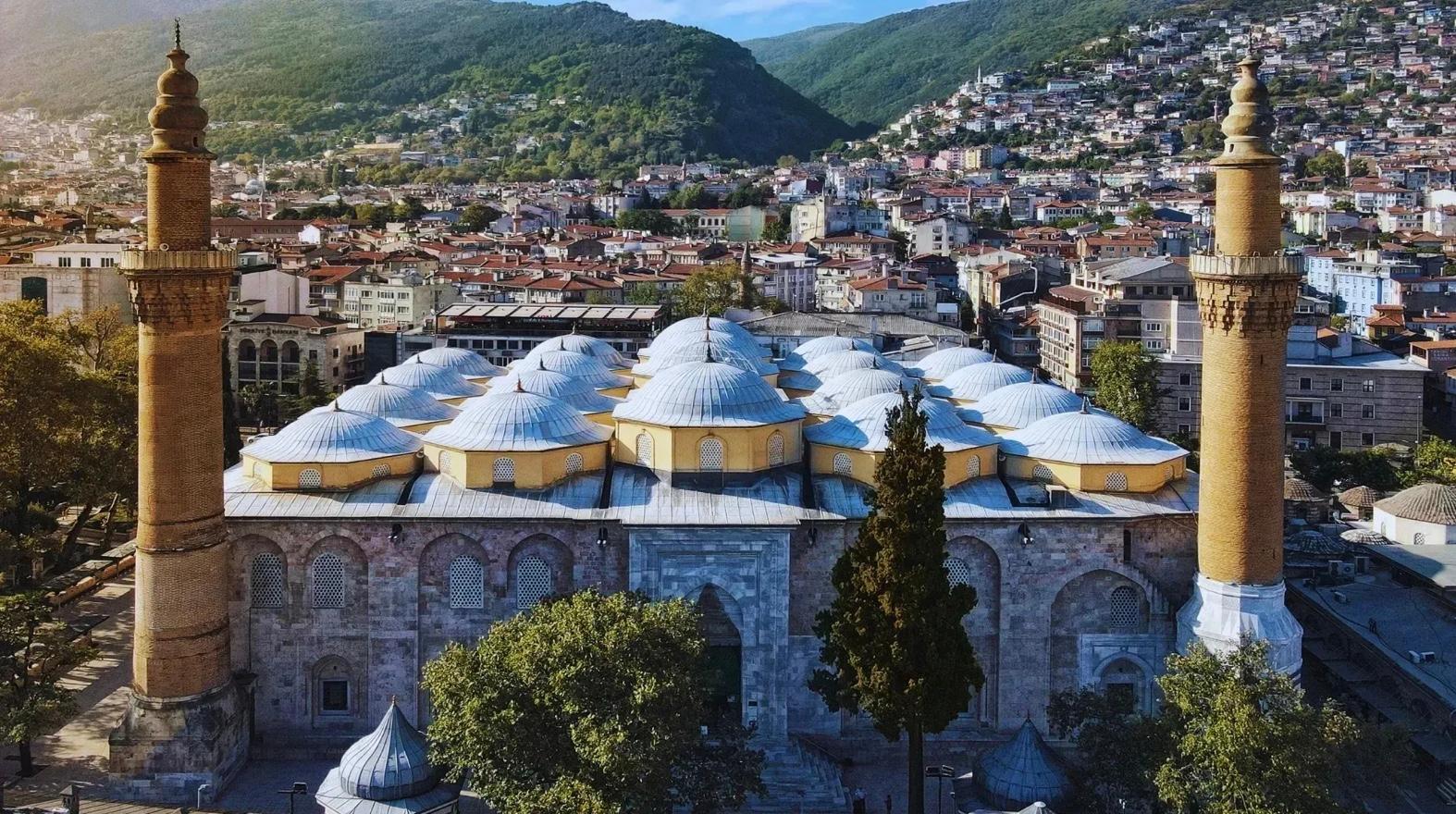
This 14th-century mosque features 20 domes and unique calligraphy, representing the transition of Ottoman architecture.
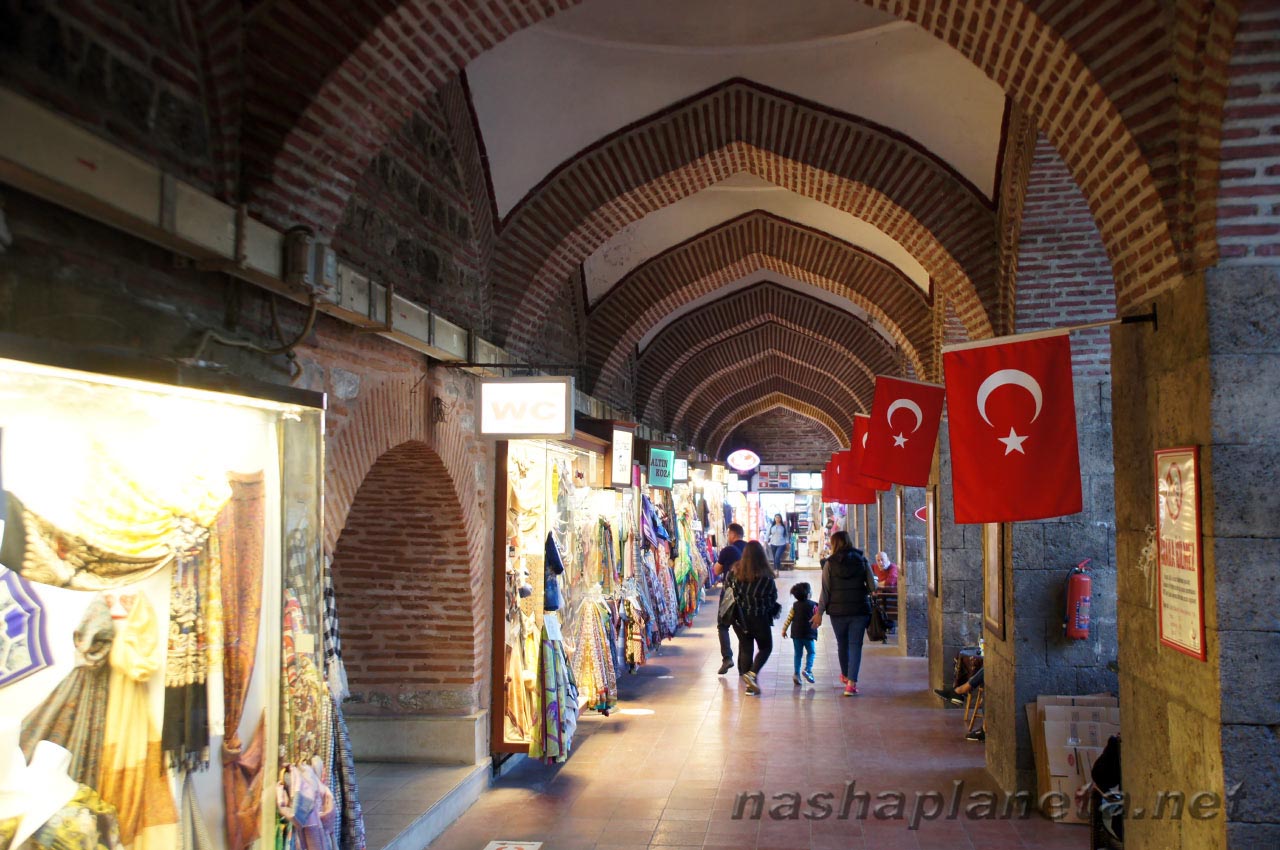
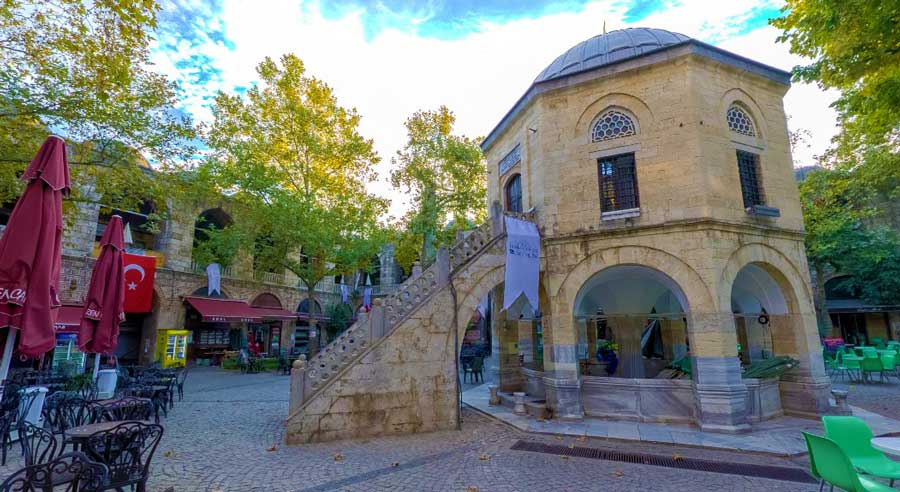
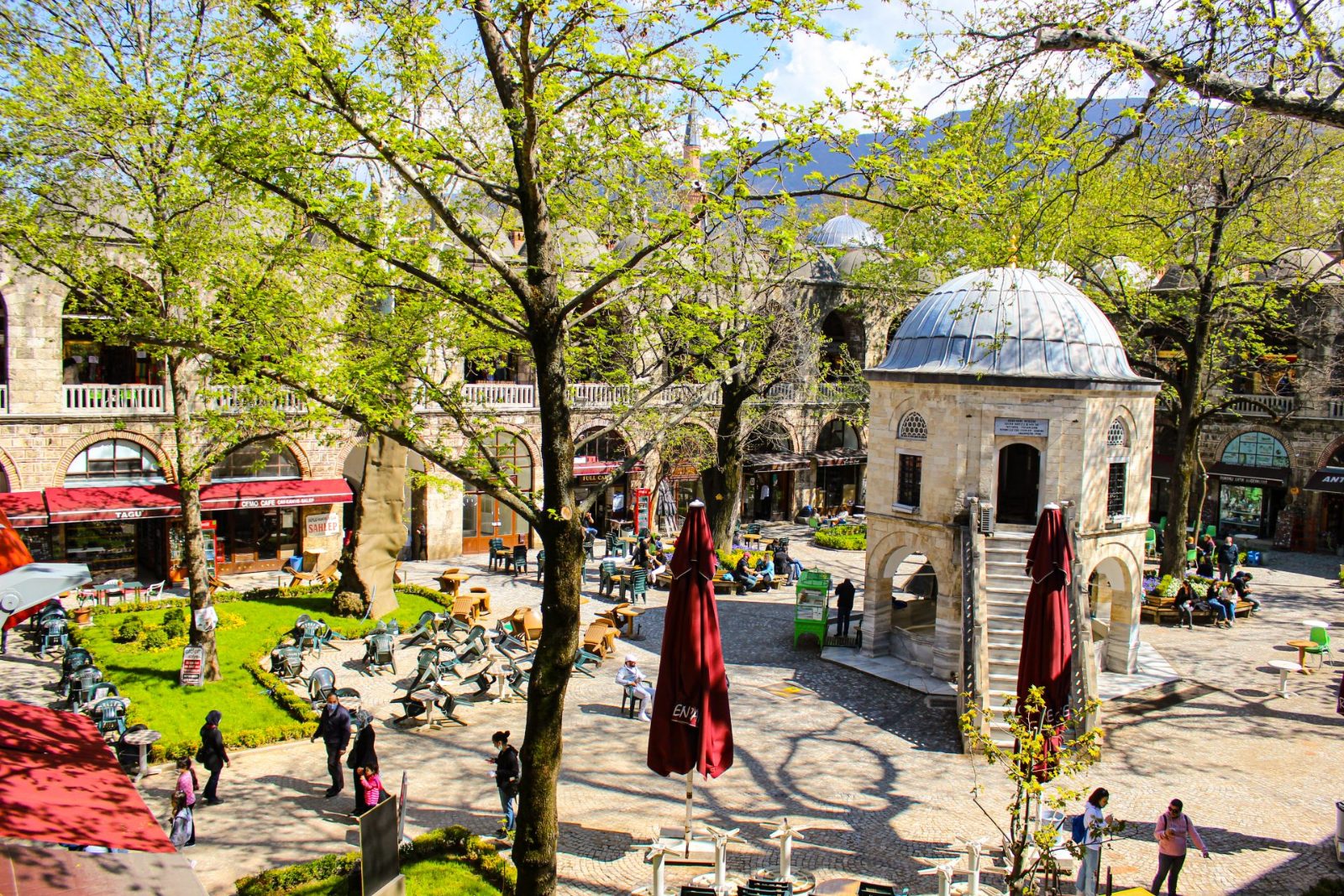
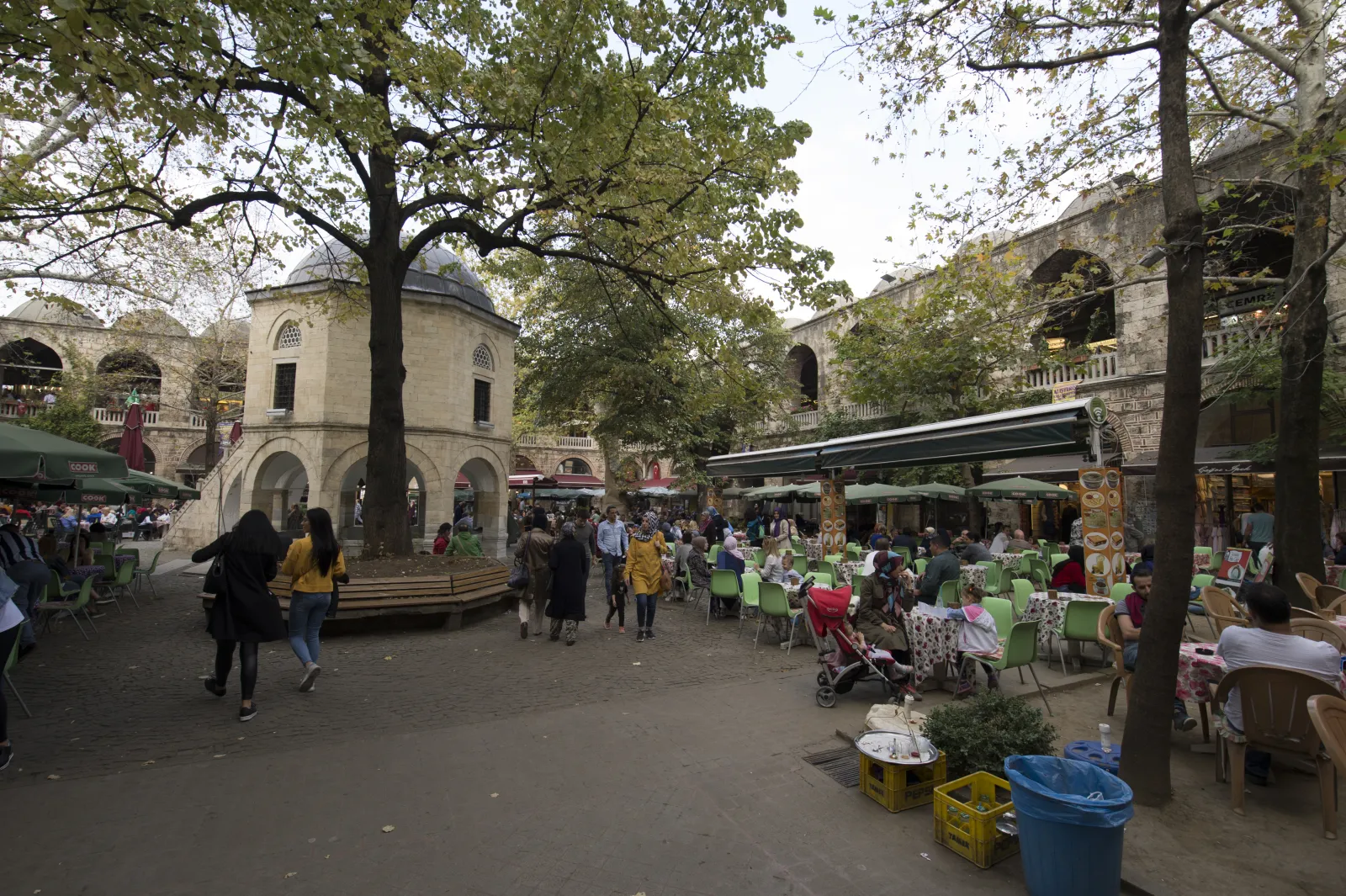
The silk market was built in 1491 and remains the center of the local trade with a central courtyard.
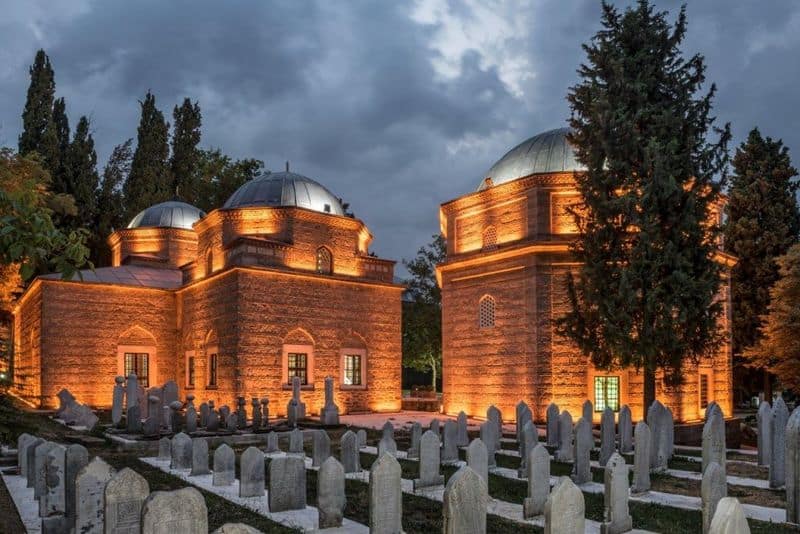
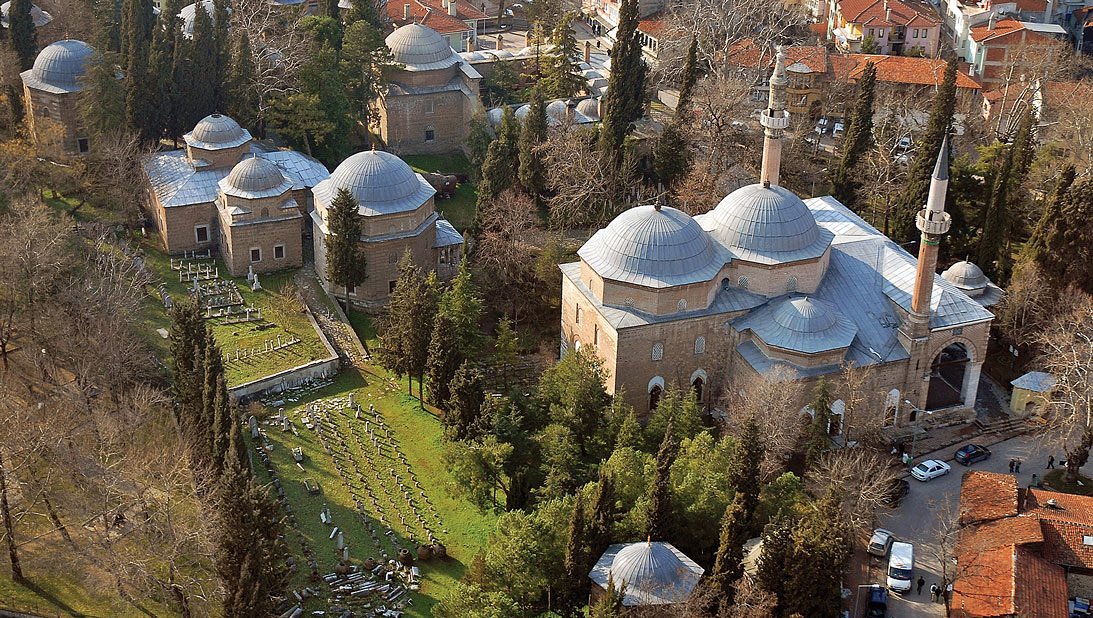
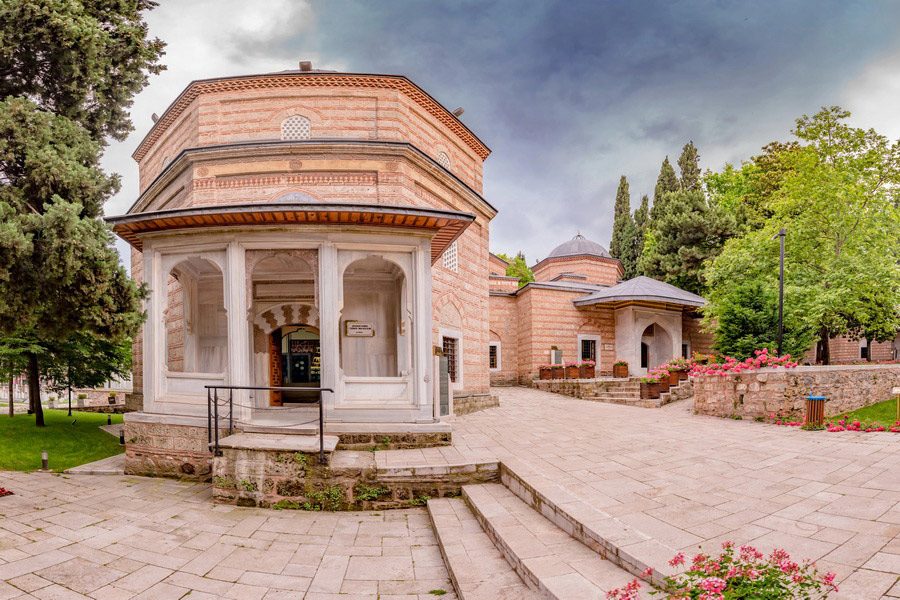
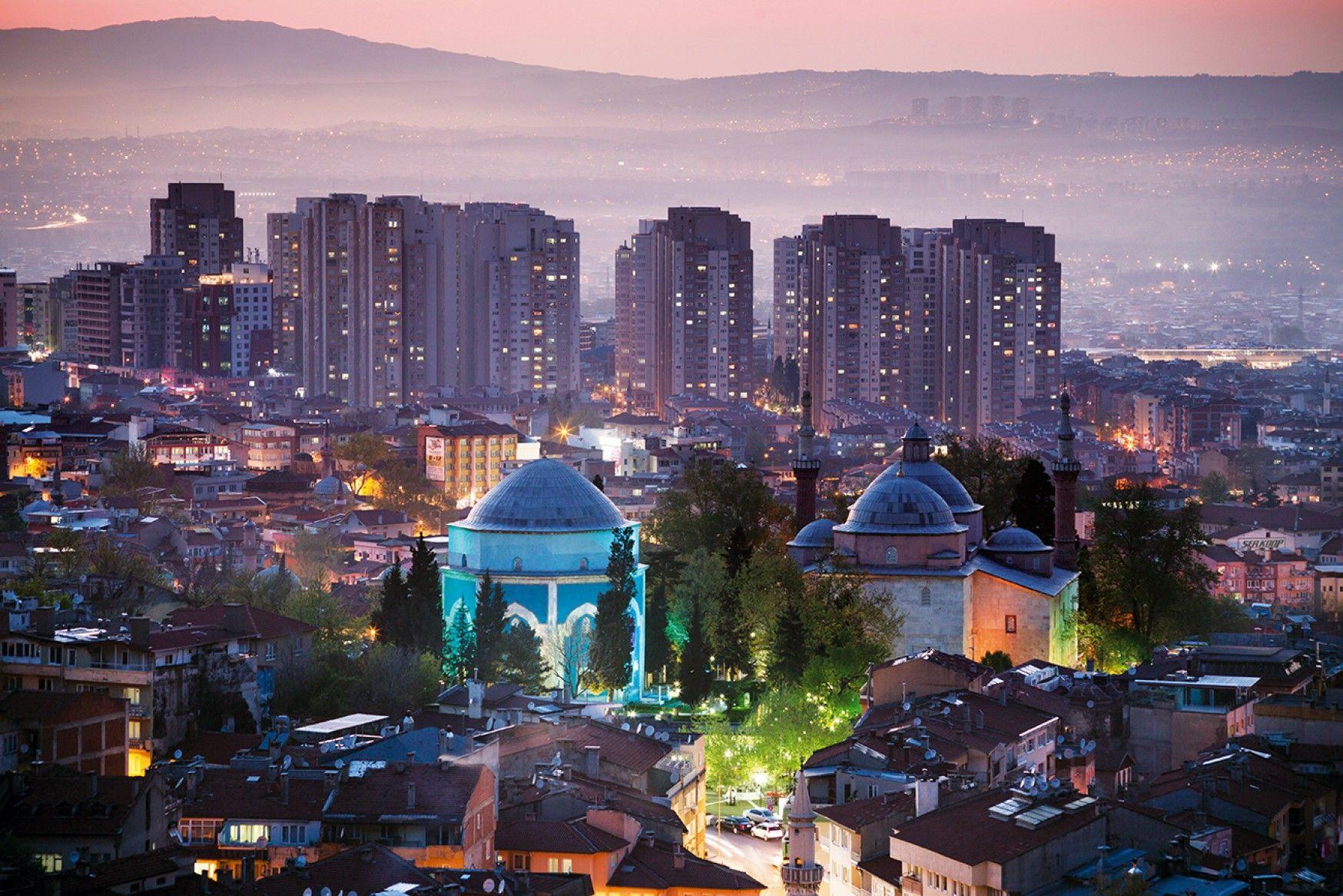
This site contains royal tombs of the early Ottoman sultans set within landscaped gardens.
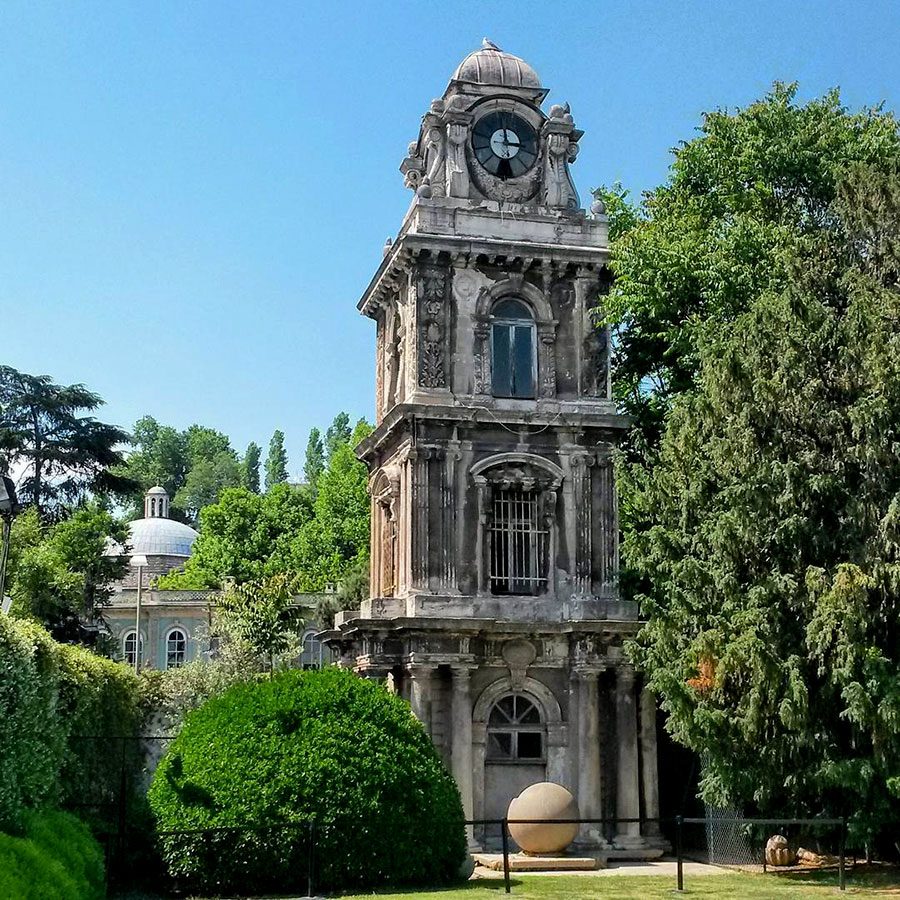
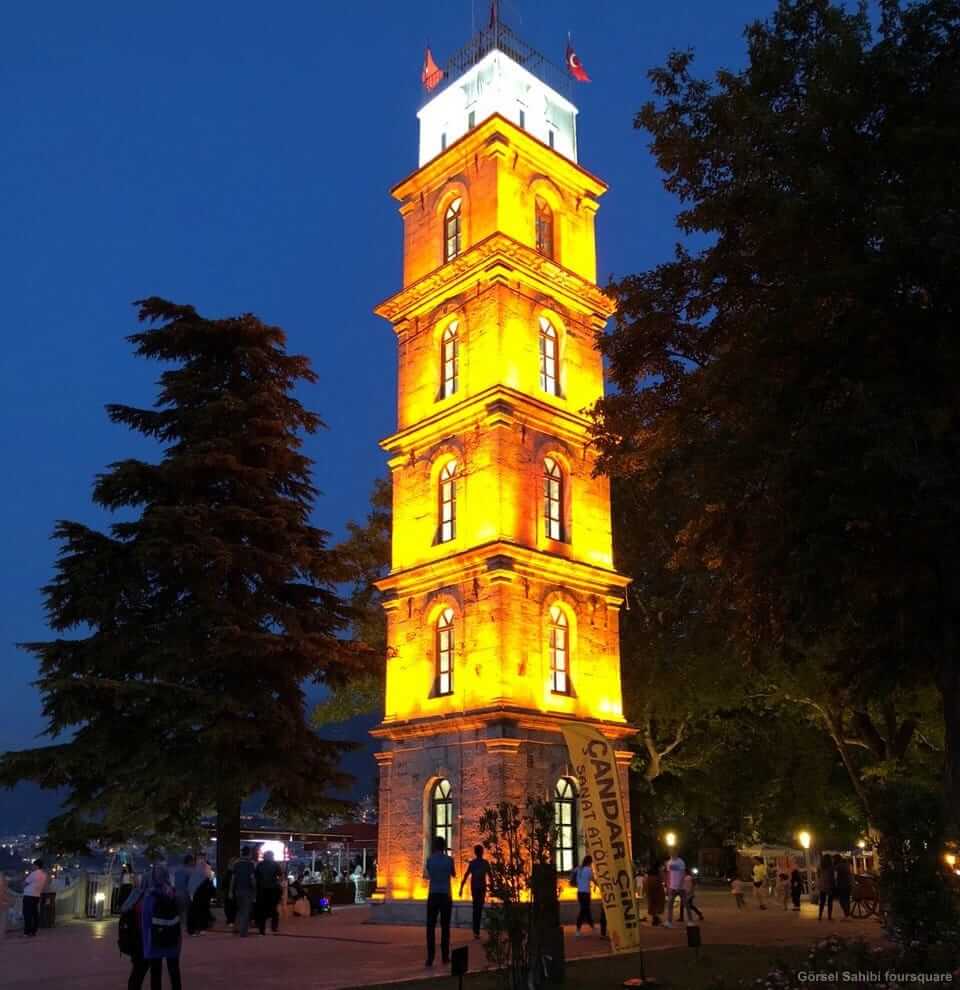
The tower offers an elevated vantage point and stands near the tombs of Bursa's founders.
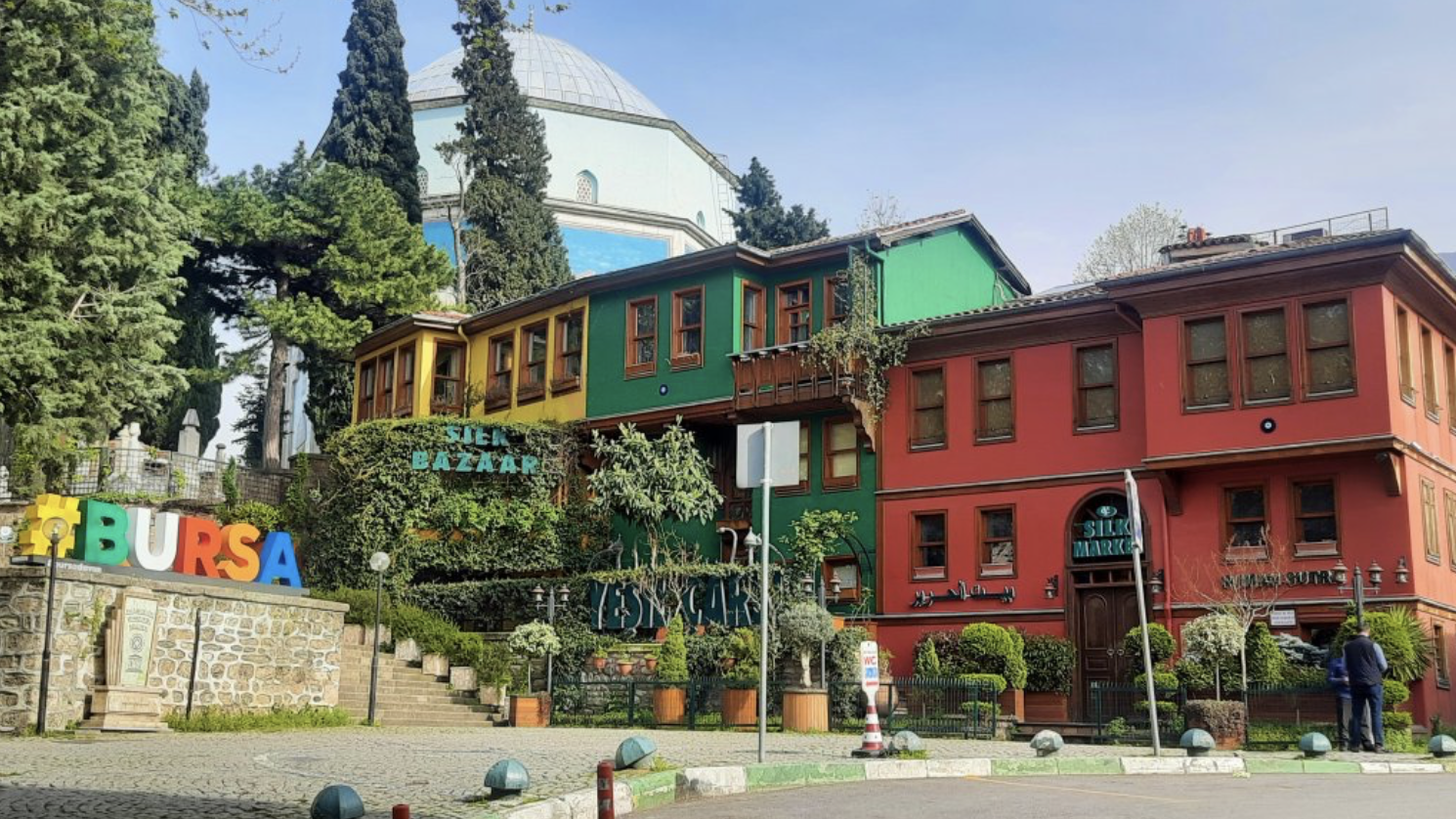
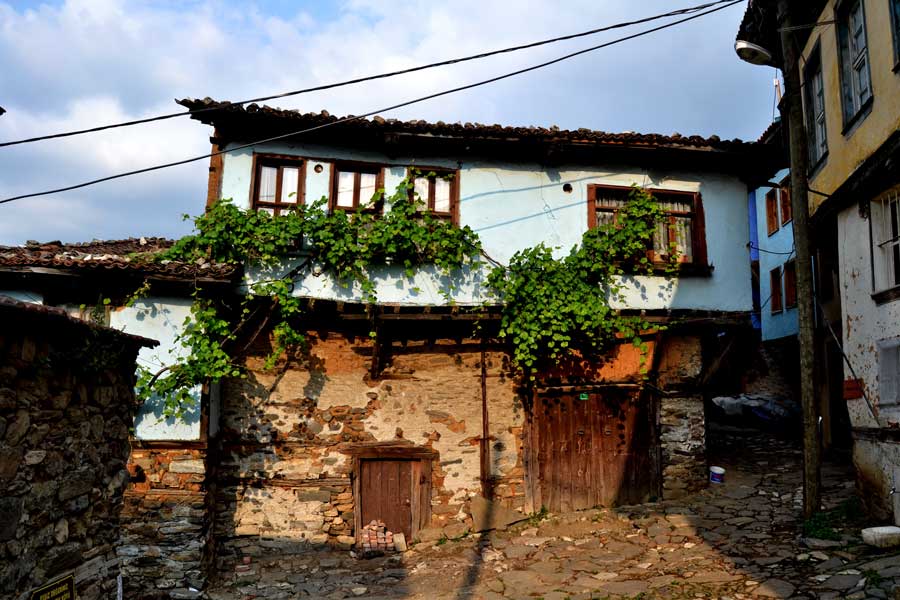
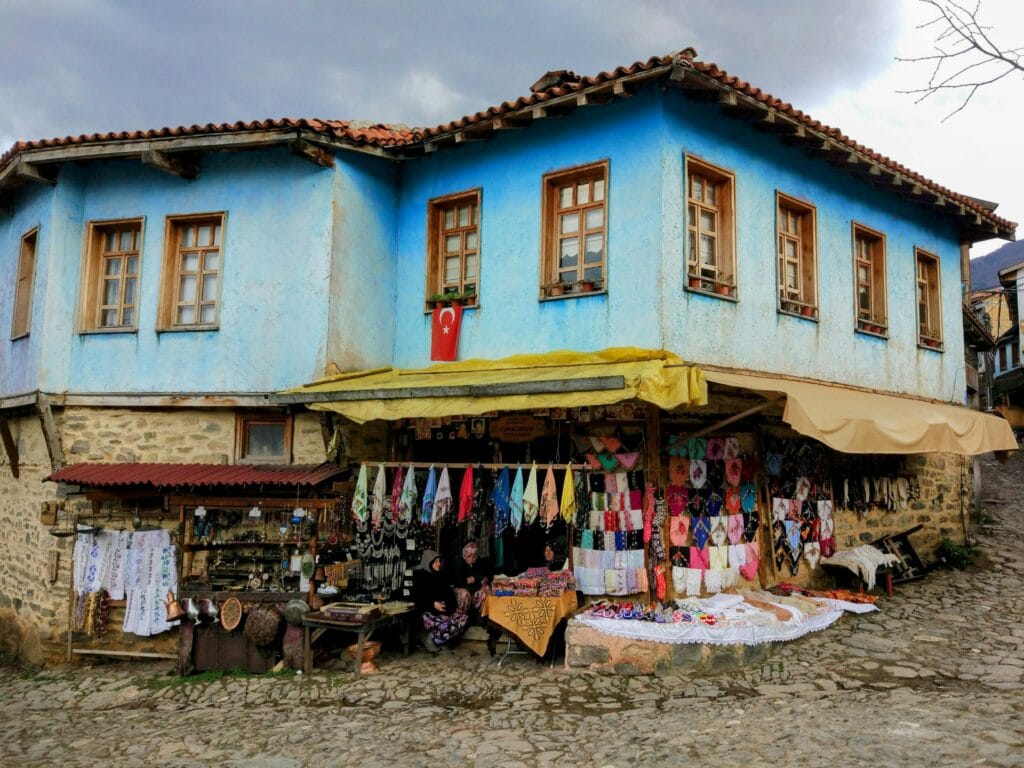
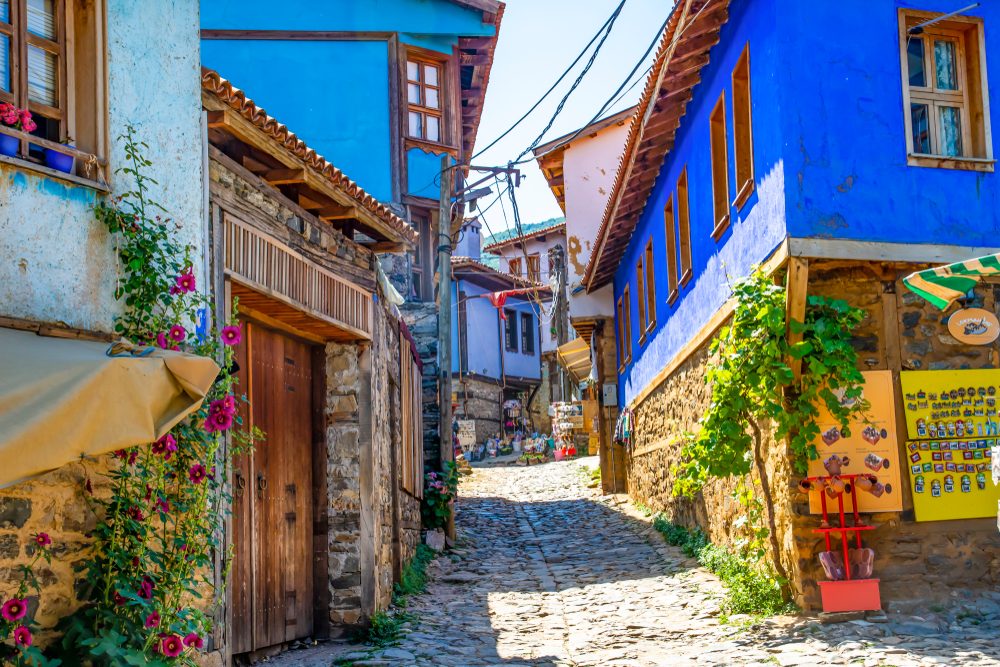
These houses provide an authentic look at Ottoman civil architecture with over 270 protected buildings.
Every Bursa tour side-by-side — duration, what's included, how you redeem.
| Experience | Duration | Rating | Skip-the-line | Guide | Small group | Free cancel. | Price | |
|---|---|---|---|---|---|---|---|---|
|
Guided Experience Most popular
Bursa & Uludag Mountain Day Trip from Istanbul
|
14 hr | ★ 4.3 | ✓ | ✓ | ✓ | ✓ | €30 | Book → |
|
Guided Experience
Bursa Full-Day Tour with Ferry, Lunch & Cable Car
|
13 hr | ★ 4.6 | ✓ | ✓ | ✓ | ✓ | $29 | Book → |
|
Guided Experience
Bursa Day Trip: Ottoman Heritage & Uludağ Mountain Cable Car
|
13 hr | ★ 4.7 | ✓ | ✓ | ✓ | ✓ | $68 | Book → |
All prices from verified partners. Availability and exact terms confirmed at checkout.
They complement each other; most visitors who do both call a Bursa tour the more versatile choice for diverse sightseeing, while Iznik offers a specialized focus on ancient craftsmanship. Exploring these Bursa tour tours provides a comprehensive look at regional culture through different lenses.
| Feature | Top pick Bursa | Iznik Day Trip |
|---|---|---|
Primary focus |
Urban landmarks and mountains | Ceramic arts and lakeside history |
Landscape type |
Mountainous metropolitan | Quiet lakeside town |
Travel time from Istanbul |
2–3 hours | 2–2.5 hours |
Ease of independent travel |
High via public transport | Moderate via bus |
Main activities |
Cable car and silk markets | Tile workshops and ruins |
| See tickets → |
Verdict: Choose a Bursa tour for a multifaceted metropolitan experience, or select Iznik for a slower-paced journey centered on traditional ceramic heritage and bursa tour tickets that grant access to local workshops.
Choose your ticket, select your date, and reserve in under two minutes. Secure checkout handled by our verified partner.
Instant confirmation by email, with a mobile voucher you can save offline. No printing, no queuing at a collection desk.
Arrive at the entrance, show your voucher on your phone, and walk in. Most tickets include priority or skip-the-line access.
Practical details for Bursa tickets straight from our verified partners — hours, access, rules, and how to get there.
Bursa city center
Central hub for starting a Bursa tour.
Open in Google MapsBursaRay light rail covers major city points.
Reliable and efficient for reaching specific landmarks.
Visitors on a Bursa tour should dress modestly when entering mosques such as the Grand Mosque. Shoulders and knees must be covered, and women should bring a headscarf.
Security is minimal in public areas, but private buildings may inspect bags. Keep valuables secure while navigating busy marketplaces during your Bursa tour.
Photography is permitted in most public spaces and architectural sites. Always request permission before taking portraits of locals or inside active places of worship.
The city center features historic cobblestone streets which can be challenging for wheelchair access. Modern areas have improved sidewalk infrastructure for a Bursa tour.
Mobile coverage is excellent throughout the city. Most cafes and public hubs offer free Wi-Fi for guests.
Bursa is welcoming to families, with numerous parks and safe public squares. Public restrooms are available but may require small change for access.
The region is famous for Iskender Kebap and candied chestnuts. Numerous cafes and restaurants are integrated into the fabric of any Bursa tour.
Pets are generally allowed in outdoor public spaces if leashed. Access to indoor historical monuments is typically restricted for animals.
Plan your Bursa tour to include local markets for the best experience. The city is known for its silk trade and thermal springs.
Best time to go, insider tips, nearby landmarks, and the cancellation fine print — flip through to skim what matters to you.
How crowds, weather, and events shift across the year.
Mild temperatures make walking comfortable. Flowers bloom in the city parks.
Warm weather is ideal for visiting nearby mountain elevations.
Cooler air perfect for a city Bursa tour. Harvest season brings fresh produce.
Ideal for accessing thermal springs and mountain ski resorts.
Small details that turn a good visit into a great one.
Negotiate prices politely in traditional bazaars.
Arrive between 09:00 and 17:00 for full shop access.
Use a Bursakart for seamless public transport travel.
Do not miss tasting local Iskender Kebap.
The hilly terrain requires sturdy footwear.
Learn basic Turkish phrases for better interactions.
Non-bookable sights within a short walk — free to visit, easy to pair.
A massive 14th-century mosque with 20 domes.
Historic silk market with a courtyard cafe.
Beautiful garden surrounding ancient royal tombs.
Offers elevated views over the city center.
Flexible, no hidden fees.
As Bursa is a city, there is an entrance fee of 0 TRY for public areas. Individual tours may have separate policies, usually requiring 24-hour notice for refunds.
Hand-picked options within walking distance — pick a district for vibe, or a specific hotel for convenience.
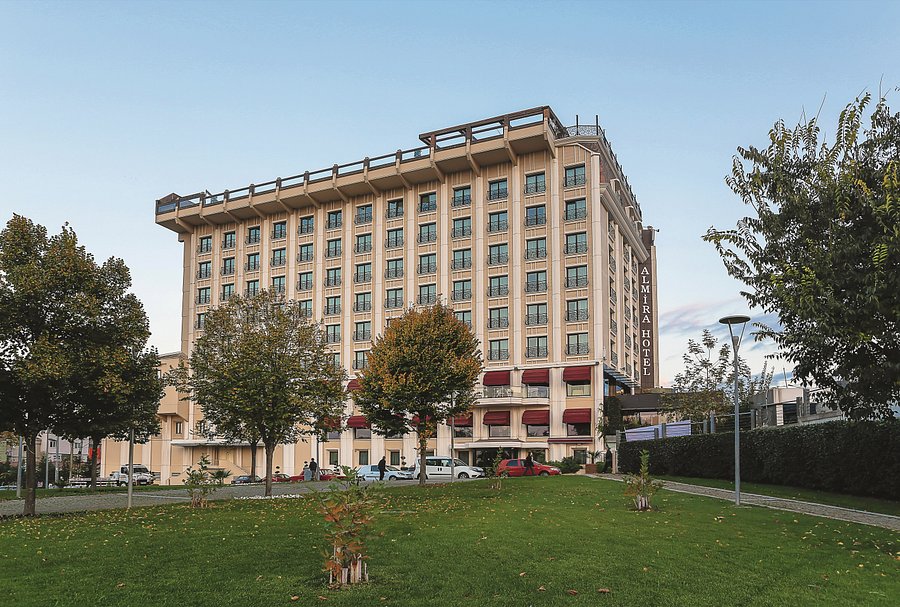
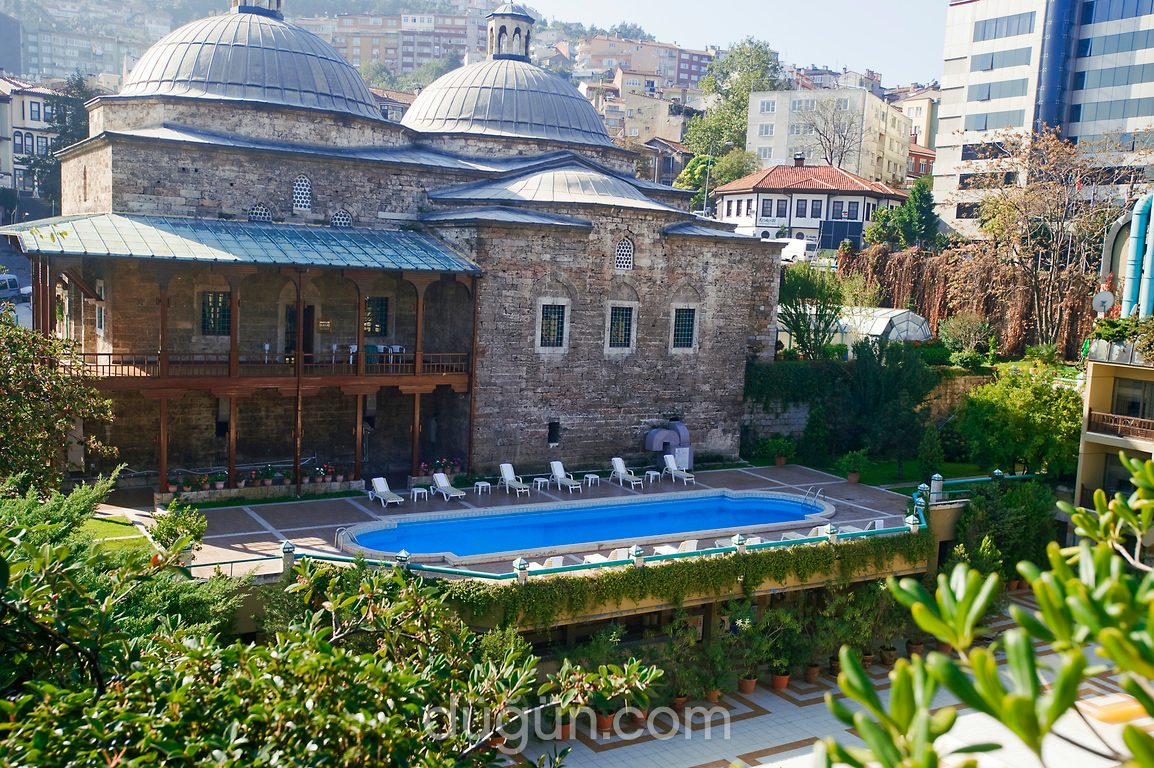
Modern hotel with thermal spa facilities.
Located near historic silk markets.
Wide variety of boutique and budget options.
Bursa served as the Ottoman Empire's first capital from 1335 to 1363, a fourteen-decade foundation that shaped its architectural DNA before Istanbul claimed the throne.
The city sits at the base of Uludağ, a 2,543-meter massif whose thermal springs and alpine forests drew Roman settlers two millennia before the Ottomans arrived. Sultan Orhan's 1339 construction of the Great Mosque established Bursa as a laboratory for early Ottoman design, its twenty domes and two minarets prefiguring the vast prayer halls that would later define Istanbul's skyline. The Yeşil Türbe, completed in 1421, holds Sultan Mehmed I's cenotaph beneath tiles so vivid they earned the structure its Green Tomb nickname and set the standard for Iznik ceramic work across Anatolia.
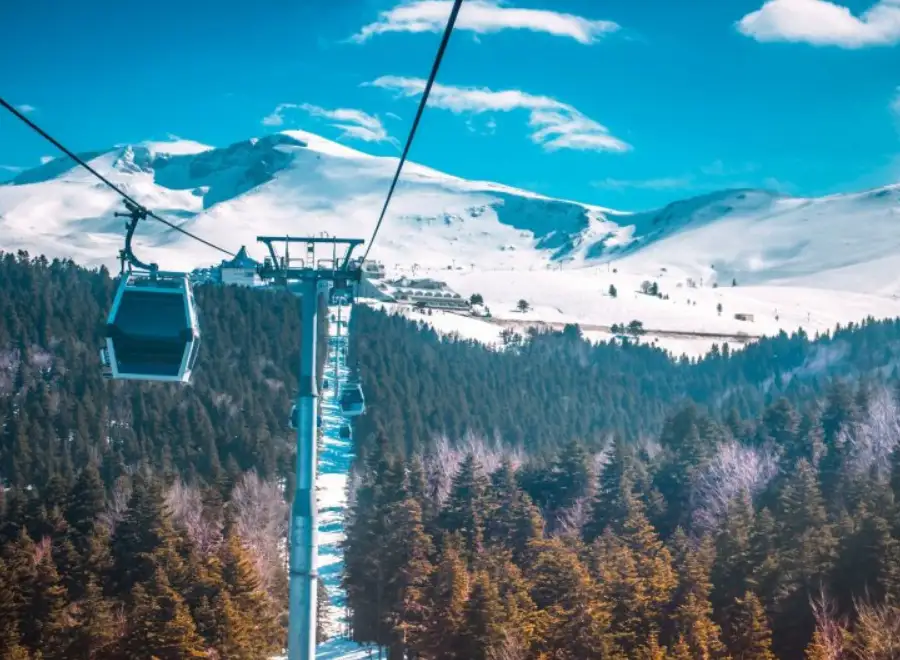
Bursa tourism today revolves around a triangle of UNESCO-recognized zones. The Hanlar district preserves fourteen caravanserais where silk merchants once auctioned raw thread from Persia and China, their vaulted courtyards now hosting jewelers and spice vendors. Cumalıkızık, an Ottoman village five kilometers east, retains its 270 timber houses and cobblestone lanes unchanged since the 1300s, a living archive of pre-industrial Anatolian urbanism. The thermal district of Çekirge channels mineral water from eleven separate springs, their 47-degree Celsius flow sustaining hammams that Justinian's Byzantine engineers first channeled in the sixth century. Modern Bursa tour packages bundle these zones with a cable car ascent to Uludağ National Park, where the eight-kilometer gondola ride climbs 1,810 vertical meters in twenty-two minutes.
The Koza Han, built in 1491 by Bayezid II, anchors Bursa's identity as the Ottoman Empire's silk capital. Its two-story arcade sheltered 95 workshops where artisans reeled cocoons and dyed thread, supplying the imperial court until the early twentieth century. The courtyard's octagonal mosque, elevated on columns above a fountain, allowed traders to fulfill prayer obligations without leaving the commercial floor. Today the han's shops sell raw silk by the meter, their inventory sourced from farms in the Marmara hinterland that still cultivate the Bombyx mori strain introduced from China in the 550s. The adjacent Ulu Cami, with its twelve columns supporting twenty equal domes, pioneered the hypostyle mosque form that later influenced Ottoman architects in Edirne and beyond. Bursa tourist places extend beyond the historic core to the Irgandı Bridge, a stone structure from 1442 that remains one of three inhabited bridges in the world, its jewelry ateliers occupying medieval shops cantilevered over the Gökdere stream.

"Sultan Orhan's 1339 construction of the Great Mosque established Bursa as a laboratory for early Ottoman design."
A step-by-step walkthrough of Bursa tickets — what you'll see, how long each stage takes, and the details that matter.
You arrive at the Koza Han courtyard as morning light slants through the arcade, silk merchants arranging bolts of raw fabric on wooden trestles. You step into one of the han's 95 workshops, where a vendor demonstrates the traditional cocoon-reeling process, the fine thread emerging in a continuous strand.
You walk three blocks east to the Ulu Cami, pausing beneath its twenty domes to study the Seljuk-style calligraphy panels that cover the qibla wall. You cross the street to the Yeşil Külliye, climbing the steps to the Green Tomb where hexagonal turquoise tiles frame the entrance in geometric patterns.
You take the Teleferik cable car from Teferrüç station, ascending through oak and pine zones as the eight-kilometer gondola ride lifts you 1,810 meters above the city. You reach the upper station at Sarıalan in twenty-two minutes, stepping onto alpine trails where the air temperature drops fifteen degrees. You descend to Çekirge in the afternoon, entering a 700-year-old hammam where thermal water flows at 47 degrees Celsius from mineral springs Justinian's engineers first tapped. You finish at Cumalıkızık village, walking cobblestone lanes between timber houses whose latticed balconies and stone foundations date to the 1300s, villagers selling homemade jams from tables set in their courtyards.
Public sites in Bursa are open 00:00–23:59 daily. Most local businesses operate within standard daylight hours.
There is a 0 TRY entrance fee for the city and its public streets. Individual museums or sites may charge separate fees.
We recommend starting between 09:00–17:00. This ensures all historical sites and shops are fully operational.
Yes, the city is very family-friendly with many open parks. Ensure you keep children close in crowded bazaars.
Bursa tour tickets are generally not required for city exploration, but guided services can be booked via local agencies.
Photography is widely allowed in public areas of any Bursa tour. Respect privacy inside mosques and religious sites.
You can carry small bags, but large items are inconvenient in crowded areas. Always keep personal belongings secure during your Bursa tour.
Modest dress is required for religious sites. Women should cover their hair, and everyone should cover shoulders and knees.
The city features many cobblestone streets that may be difficult for strollers or wheelchairs. Plan your Bursa tour route accordingly.
Public transit like BursaRay and local taxis are the best ways to reach the city center. Most tours start near the central squares.