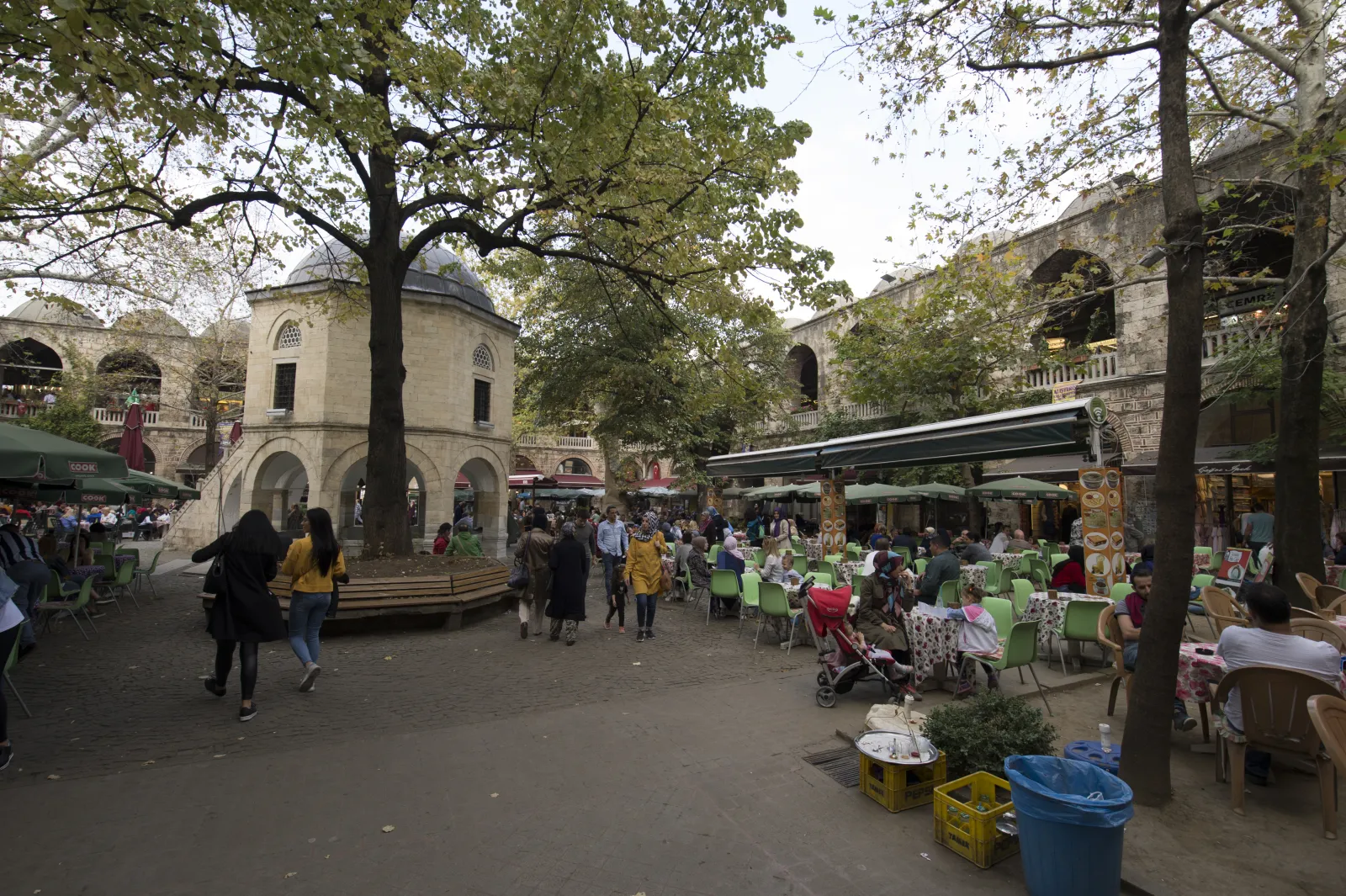
Koza Han
3 min walk
This historic silk market is located adjacent to the mosque and offers insight into Bursa's importance in the silk trade. It serves as a natural extension for those interested in local craftsmanship and architecture.

Bursa served as the first capital of the Ottoman Empire and preserves six centuries of architectural and cultural legacy within a compact urban center. A single day allows you to experience the city's defining landmarks, ride the cable car to Uludağ's lower slopes, and sample the regional dishes that made Bursa a culinary destination.
Quick answer
Spend your day in Bursa visiting Ulu Cami (open 08:00–21:00 daily with free entry), exploring the Koza Han silk bazaar, riding the Teleferik cable car to Uludağ for mountain views, and tasting İskender kebap in the Kayhan neighborhood where it was invented. Start at 08:00 to avoid mid-day crowds at the mosque and allow time for the cable car ascent before late afternoon.
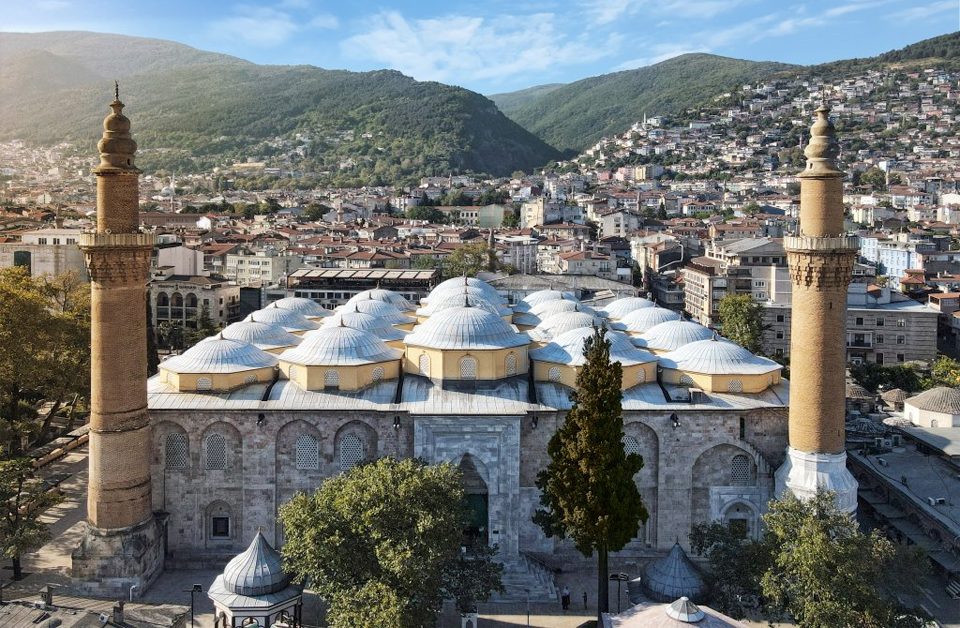
Ulu Cami contains twenty domes and a marble ablution fountain under the central dome, an architectural solution that brought natural light into the prayer hall when Sultan Bayezid I commissioned the structure in 1396. The mosque opens at 08:00 daily and remains active throughout the day, making early morning the quietest window for photography and contemplation before midday prayers draw larger crowds. What to do in Bursa in one day begins with this mosque, then moves west to Koza Han, the 1491 silk market where two levels of merchant rooms surround a courtyard tea garden. The han operates as a working bazaar where artisans still trade cocoons and finished silk fabric, not a reconstructed tourist site. From there, walk fifteen minutes north to the Teleferik station in Teferrüç, where the cable car climbs 870 meters to the lower station at Sarıalan on Uludağ's forested slopes. The ascent takes eight minutes and delivers views across the city and the plains beyond—winter transforms the mountain into Turkey's primary ski resort, but summer and autumn visitors find hiking trails and cooler temperatures at altitude. After descending, head to Kayhan Çarşısı near the Ulu Cami to try İskender kebap, the dish Bursa contributed to Turkish cuisine when İskender Efendi layered thinly sliced döner meat over pide bread with tomato sauce and browned butter in 1867. The original İskenderoglu restaurant still operates in the neighborhood, though several family-owned establishments nearby maintain the same preparation method. Finish the afternoon in the historic Muradiye Complex, where Sultan Murad II's mausoleum sits among twelve Ottoman tombs in a walled garden—the site charges no entrance fee and closes at dusk. Bursa's layout clusters its Ottoman-era landmarks within a two-kilometer radius of Ulu Cami, making a one-day visit in Bursa logistically efficient without requiring a car. Public minibuses connect the major sites, though the compact historic core rewards walking. The city lies 150 kilometers south of Istanbul, reachable by ferry and bus in under three hours, positioning it as a day trip for travelers based in the capital who want to see where the Ottoman dynasty established its first urban center before the 1453 conquest of Constantinople.
“Ulu Cami contains twenty domes and a marble ablution fountain under the central dome, an architectural solution that brought natural light into the prayer hall when Sultan Bayezid I commissioned the structure in 1396.”
This route works for first-time visitors looking to experience Bursa's Ottoman heritage, mountain scenery, and local flavours in a single day. Plan around seven to eight hours of active touring, with short breaks between stops.
Begin at Bursa's largest Ottoman mosque to admire the twenty domes and calligraphic panels before mid-morning crowds arrive. Allow thirty minutes for a respectful walk-through.
Stroll through the restored silk bazaar adjacent to the mosque, browsing spice stalls and copperware vendors. Budget forty-five minutes if you plan to shop.
Head east to see the turquoise-tiled mausoleum of Sultan Mehmed I and the neighbouring mosque, both key examples of early Ottoman architecture. Spend an hour exploring both structures and their gardens.
Stop at a lokanta near Heykel Square for İskender kebab, the city's signature dish of sliced lamb over pide with tomato sauce and yoghurt. Expect a leisurely forty-five-minute meal.
Take the cable car from Teferrüç station up to the lower mountain plateau for alpine views and a short walk. The return journey, including time at the summit, takes about two hours.
Circle back to the historic caravanserai courtyard for tea under the plane trees and browse small shops selling silk scarves. Allow thirty minutes to unwind before evening.
Finish at this peaceful cluster of sultanic tombs set in landscaped gardens on the city's western edge. Arrive before closing to walk the grounds in softer light.
The Grand Mosque of Bursa maintains consistent daily operating hours throughout the week, providing flexibility for your day trip schedule.
Bursa city center is located in the Osmangazi district, which serves as the primary hub for historic sites. The most efficient approach involves using the BursaRay metro line or local buses to reach the central Ulucami area.
BursaRay (Line 1 or 2) to Şehreküstü Station
Various city bus lines to Heykel or Ulucami stops
Direct service to Nalbantoğlu, Ulucami Cd. No:2
Walking between historic sites in the Osmangazi district
If arriving from Istanbul via ferry, use the BUDO or IDO terminals to reach Mudanya, then transfer to the express bus (F/1) or taxi to the city center. Once in the center, most historical landmarks are reachable on foot.
The central location of the Grand Mosque allows for easy access to several significant historical landmarks within walking distance. These sites share the same architectural and cultural heritage, making them logical additions to your visit.
3 min walk
This historic silk market is located adjacent to the mosque and offers insight into Bursa's importance in the silk trade. It serves as a natural extension for those interested in local craftsmanship and architecture.
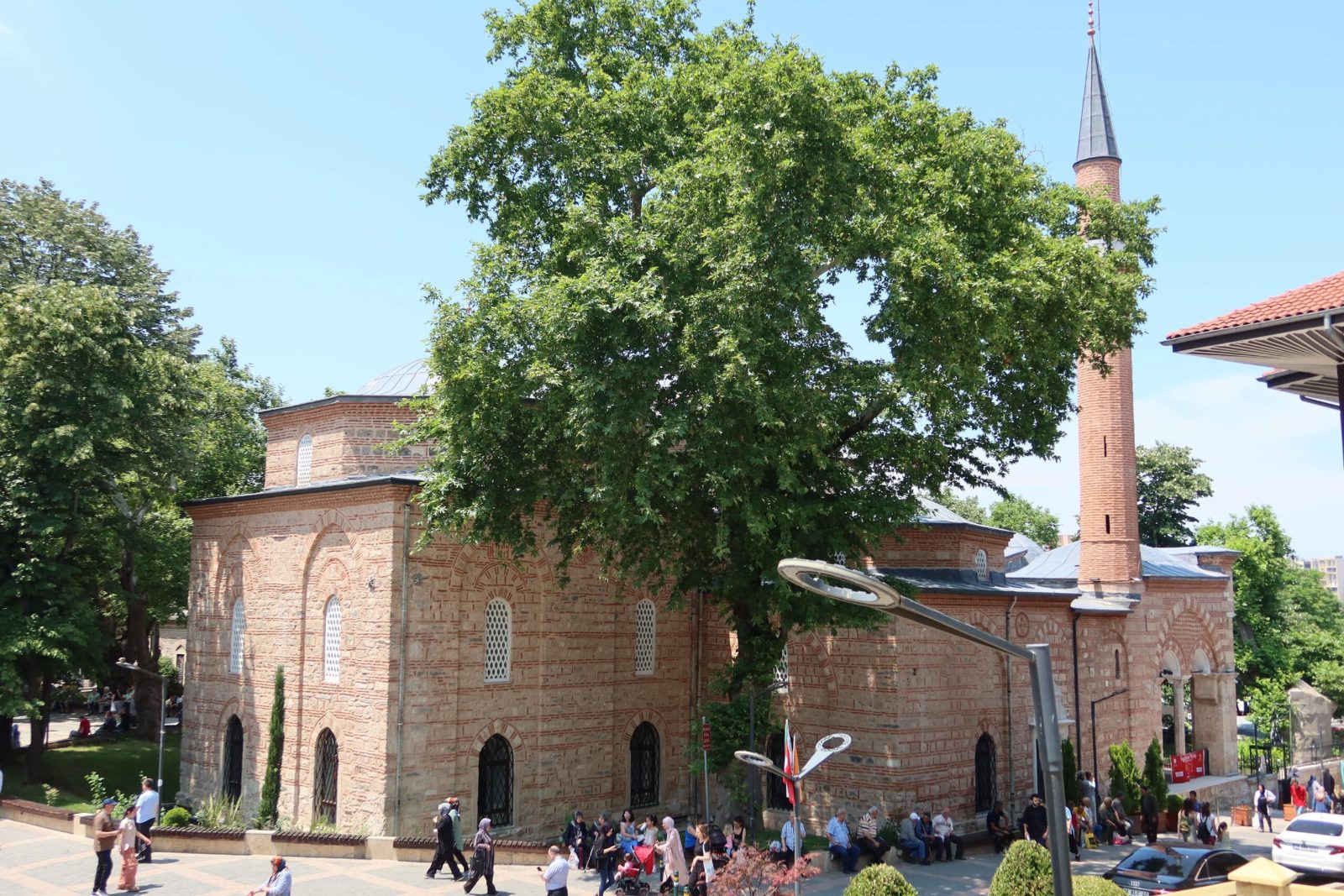
4 min walk
This structure sits across from the Grand Mosque and represents an early example of Ottoman architectural style. It complements your visit by providing a broader view of the city's religious history.
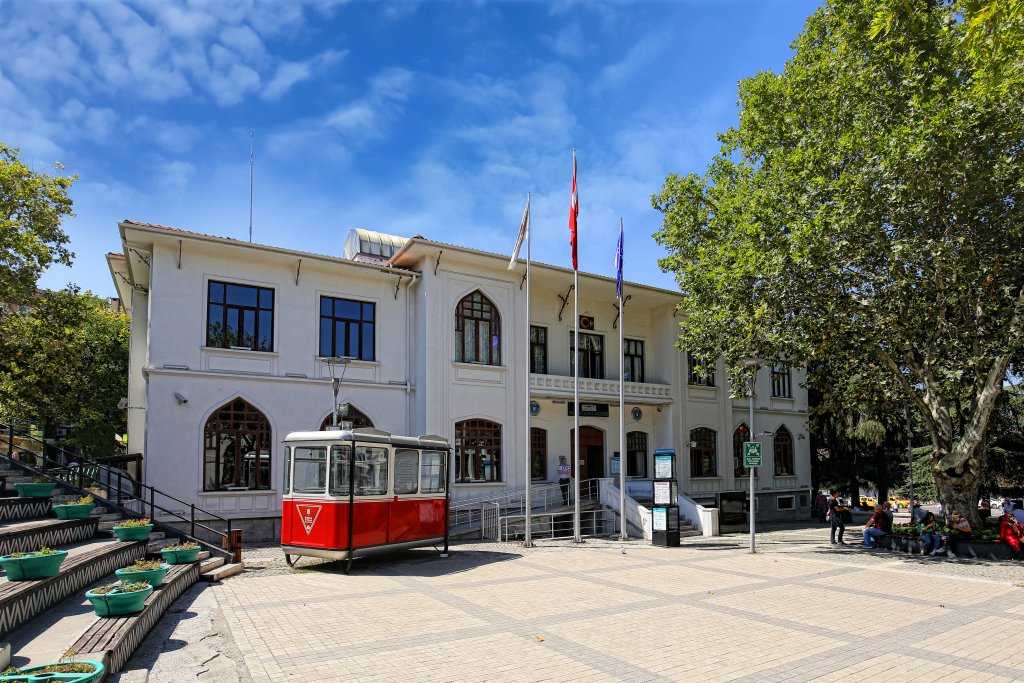
8 min walk
Located near the historical center, this museum displays artifacts detailing the social and economic history of the region. It provides necessary context for the historical sites you will see throughout the day.
2 min walk
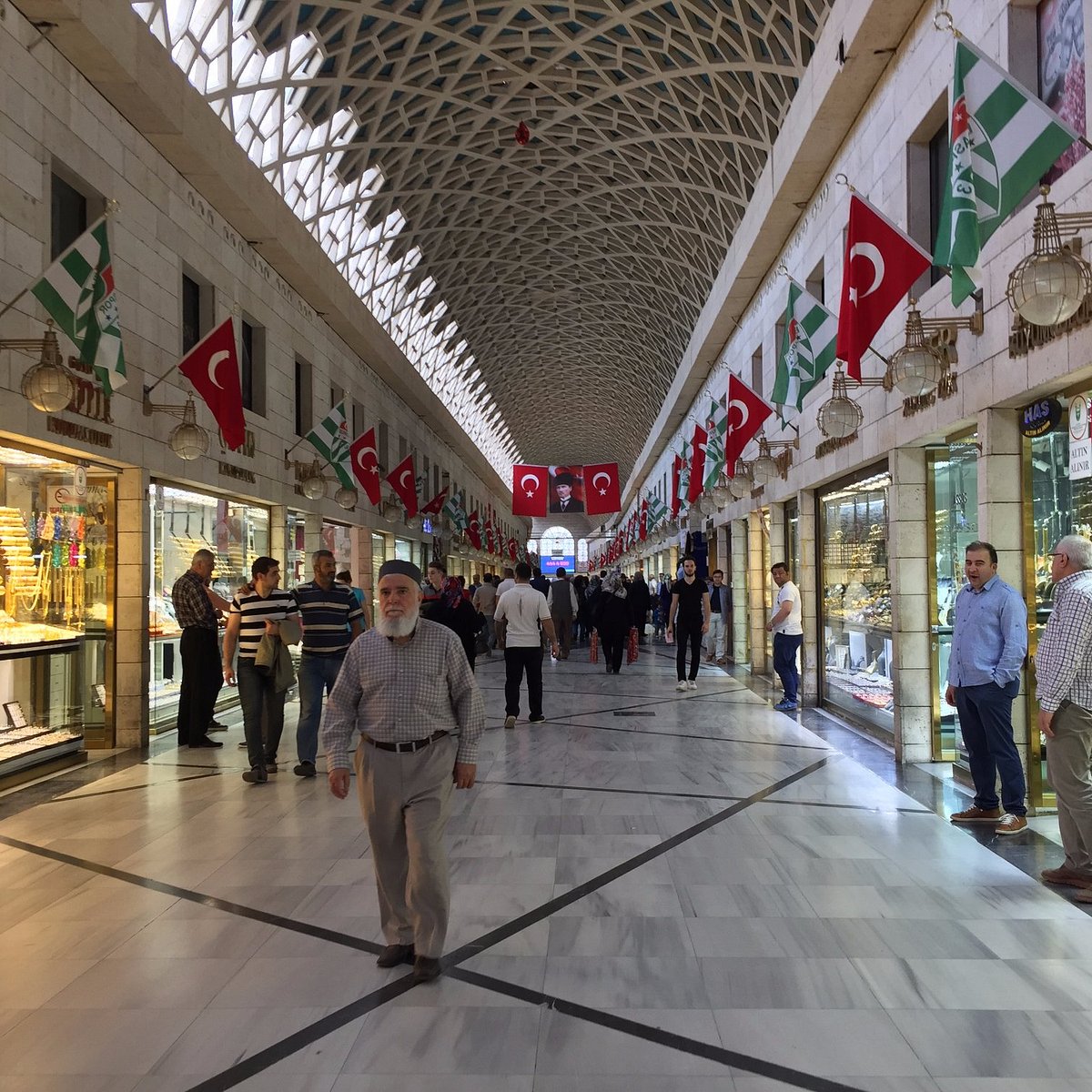
The covered bazaar connects directly to the mosque area and remains a hub for local trade. Exploring these corridors allows you to experience the commercial atmosphere that has surrounded the mosque for centuries.
Everything you need to know about what to do in bursa in one day
To effectively plan what to do in bursa in one day, focus on the Osmangazi district where many historical landmarks are concentrated. Grouping your visits to the Grand Mosque, silk markets, and nearby tombs allows for an efficient pace.
The Grand Mosque is open daily from 08:00 to 21:00. This wide availability makes it easy to integrate into your schedule regardless of when you arrive.
Entry to the Grand Mosque is 0 TRY, as it is an active place of worship. This helps keep your expenses low while you explore the city's rich architectural heritage.
The best arrival window is 08:00–10:00 to avoid mid-day crowds and peak prayer times. Following this schedule ensures you have a quieter experience while checking items off your list of what to do in bursa in one day.
Yes, Bursa is compact enough that a well-planned itinerary covers the key ottoman-era monuments and vibrant bazaars. Prioritize the city center for the most immersive experience in a short timeframe.
When visiting active religious sites, ensure you dress modestly and refrain from loud conversations. These landmarks are serene spaces, so respecting local customs is part of the experience.