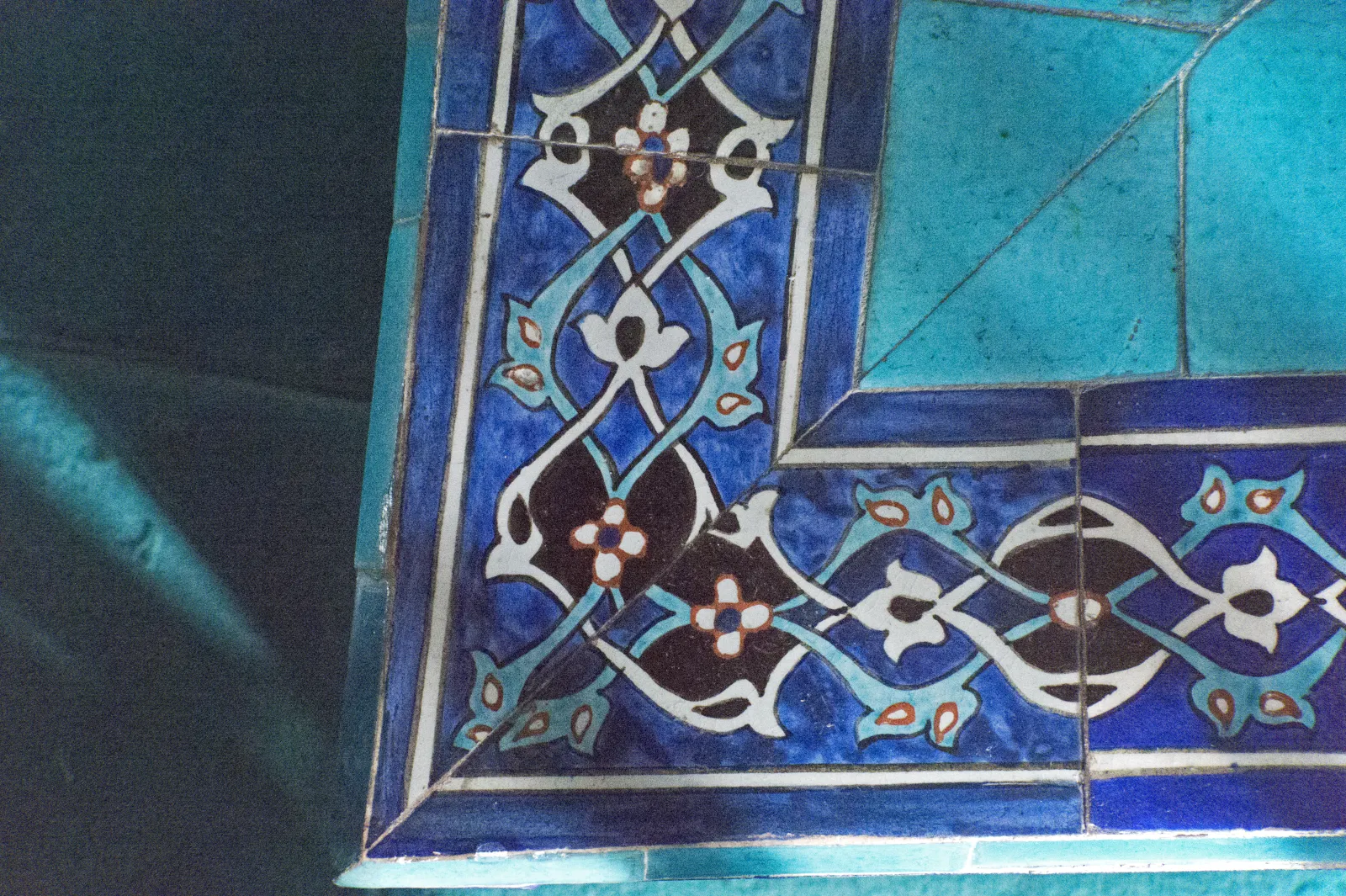
Green Tomb (Yeşil Türbe)
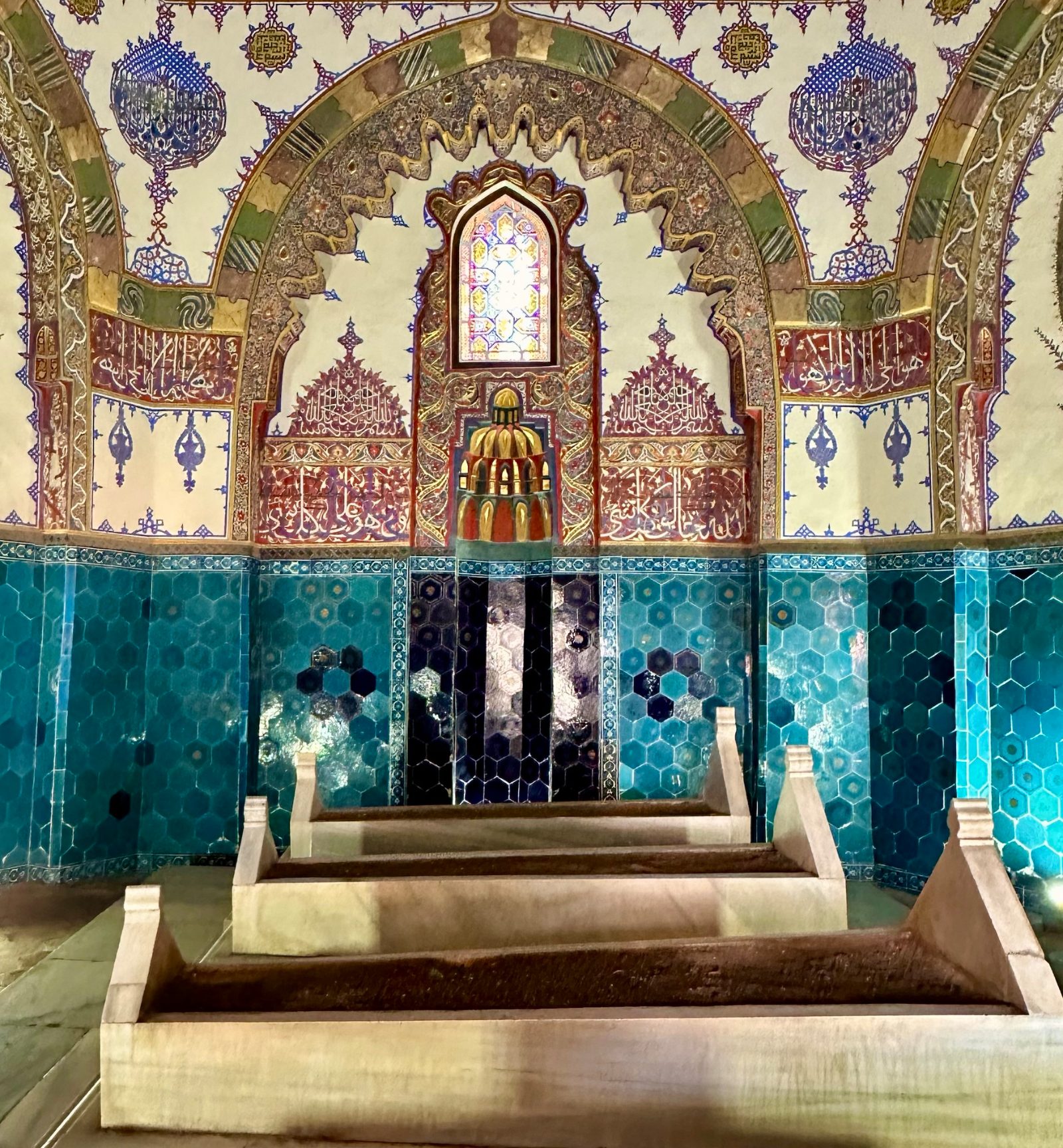
The octagonal mausoleum of Sultan Mehmed I is covered in iconic green and blue tiles. Its mihrab is considered a masterpiece of 15th-century ceramic art.
Look closely at the intricate tile calligraphy on the mihrab wall.

Bursa sits at the base of Mount Uludağ, Turkey's former imperial capital where six centuries of Ottoman architecture meet alpine landscapes and centuries-old thermal springs. This guide walks you through the city's mosques, mausoleums, silk markets, and mountain retreats—what to prioritize, how to navigate the districts, and when each site opens its doors.
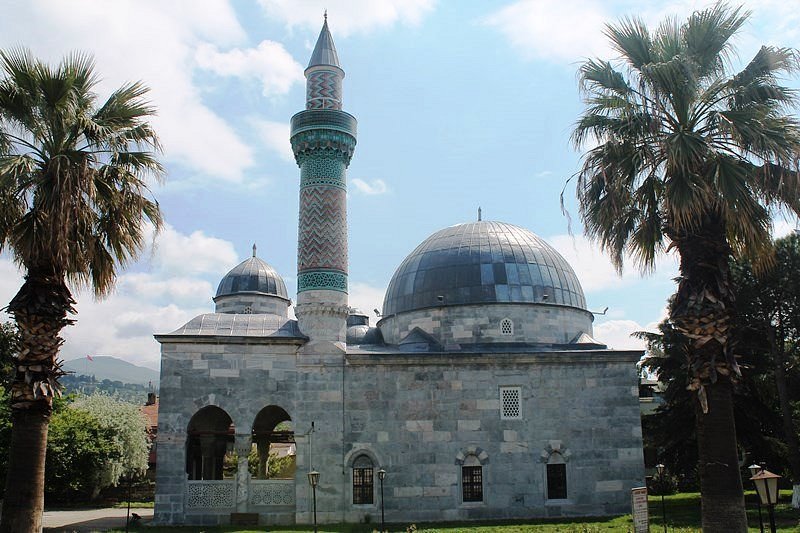
Quick answer
Bursa tourist places span five historic districts, from the UNESCO-listed complexes of Yıldırım and Osmangazi to the cable-car gateway at Teferrüç. Most religious sites open daily at 08:00 with free entry, while museums and baths operate on seasonal schedules. The Green Mosque, Ulu Cami, and Koza Han silk bazaar form the compact Old Town core, reachable on foot within thirty minutes. Thermal bath houses require advance booking during winter ski season when Uludağ draws weekend crowds.
Bursa became the Ottoman Empire's first capital in 1335, and that century of imperial patronage left a concentration of early Ottoman architecture unmatched anywhere in Turkey. The city's tourist places divide into five walkable zones, each anchored by a küliye—a mosque-mausoleum-hospice complex that once served as neighborhood center, soup kitchen, and theological college. The Yıldırım district holds the Green Mosque and Green Tomb, both faced in turquoise Iznik tile and built for Sultan Mehmed I in 1424. The site operates as an active mausoleum with open visiting hours from 08:00 to 20:00 daily, and entry remains free. Morning visits between 08:00 and 10:00 avoid both tour groups and congregational prayer times. Two kilometers west, the Ulu Cami in Osmangazi anchors Bursa's commercial heart—a twenty-domed Friday mosque surrounded by the Koza Han silk caravanserai, still functioning as a cocoon exchange and jeweler's arcade six centuries after construction. Beyond the mosques, Bursa's identity rests on two natural resources: the thermal springs of Çekirge district and the ski slopes of Mount Uludağ. The historic bath houses—Eski Kaplıca, Yeni Kaplıca, Karamustafa Paşa—pump mineral water at 47–78°C from sources the Romans and Byzantines tapped two millennia ago. Most require reservations during high season and charge between 150 and 400 TRY depending on private-room access. Uludağ National Park rises 2,543 meters above the city, accessible by a twelve-kilometer cable car from Teferrüç station. Winter transforms the summit into Turkey's oldest ski resort; summer opens alpine hiking trails and plateau picnic zones. The cable car runs year-round with departures every twenty minutes from 08:00, though fog closures occur without warning during spring and autumn. Navigating Bursa's attractions requires no special logistics. The Old Town sites cluster within a two-kilometer radius, and the city's metro and dolmuş minibus network connects Çekirge baths and Uludağ cable-car base to the historic center in under thirty minutes. Most visitors allocate two full days—one for the UNESCO mosques and markets, one for thermal baths and mountain access—though the density of significant architecture rewards slower exploration.
“Bursa became the Ottoman Empire's first capital in 1335, and that century of imperial patronage left a concentration of early Ottoman architecture unmatched anywhere in Turkey.”
The best arrival window is 08:00–10:00 to avoid peak tourist crowds and congregational prayer times. Planning your visit for the shoulder seasons ensures comfortable temperatures for exploring historical sites.
—
Quiet conditions facilitate a more focused visit to historical monuments.
Mild, 15°C to 22°C
Spring offers pleasant weather and blooming gardens throughout the city.
Cool, 14°C to 23°C
Autumn temperatures are ideal for walking tours and outdoor sightseeing.
Cold, 2°C to 9°C
Winter brings colder air and potential snow, especially at higher elevations.
Verdict: For the optimal experience, plan your visit for a weekday between 08:00–10:00 during the months of April or October.
The tourist sites in Bursa maintain consistent access throughout the week to accommodate visitors. All locations follow a daily operational schedule from morning until evening.
Admission to the Yeşil Türbe is governed by its status as an active religious site. Consequently, there are no commercial entrance fees for visitors.
Verdict: Adults pay 0 TRY for entry, as the site remains a non-commercial religious monument.
Most major historical sites in Bursa, including the Yeşil district, are accessible via the city's central BursaRay metro line and the extensive public bus network. Navigating the city center is most efficient using these combined transit options or local taxi services.
BursaRay Line 2 to Gökdere Station
Line 6/A from City Center to Yeşil
Direct from Osmangazi district to Yeşil, 1. Yeşil Cd. No:66
From Gökdere Station to the Yeşil complex
For the Yeşil district, planning your arrival between 08:00–10:00 ensures easier access to the site located at Yeşil, 1. Yeşil Cd. No:66, 16360 Yıldırım/Bursa, Türkiye.
Bursa hosts a variety of historical landmarks that reflect the architectural evolution of the early Ottoman period. These sites offer insight into the city's role as a former capital and its enduring cultural heritage.
The octagonal mausoleum of Sultan Mehmed I is covered in iconic green and blue tiles. Its mihrab is considered a masterpiece of 15th-century ceramic art.
Look closely at the intricate tile calligraphy on the mihrab wall.
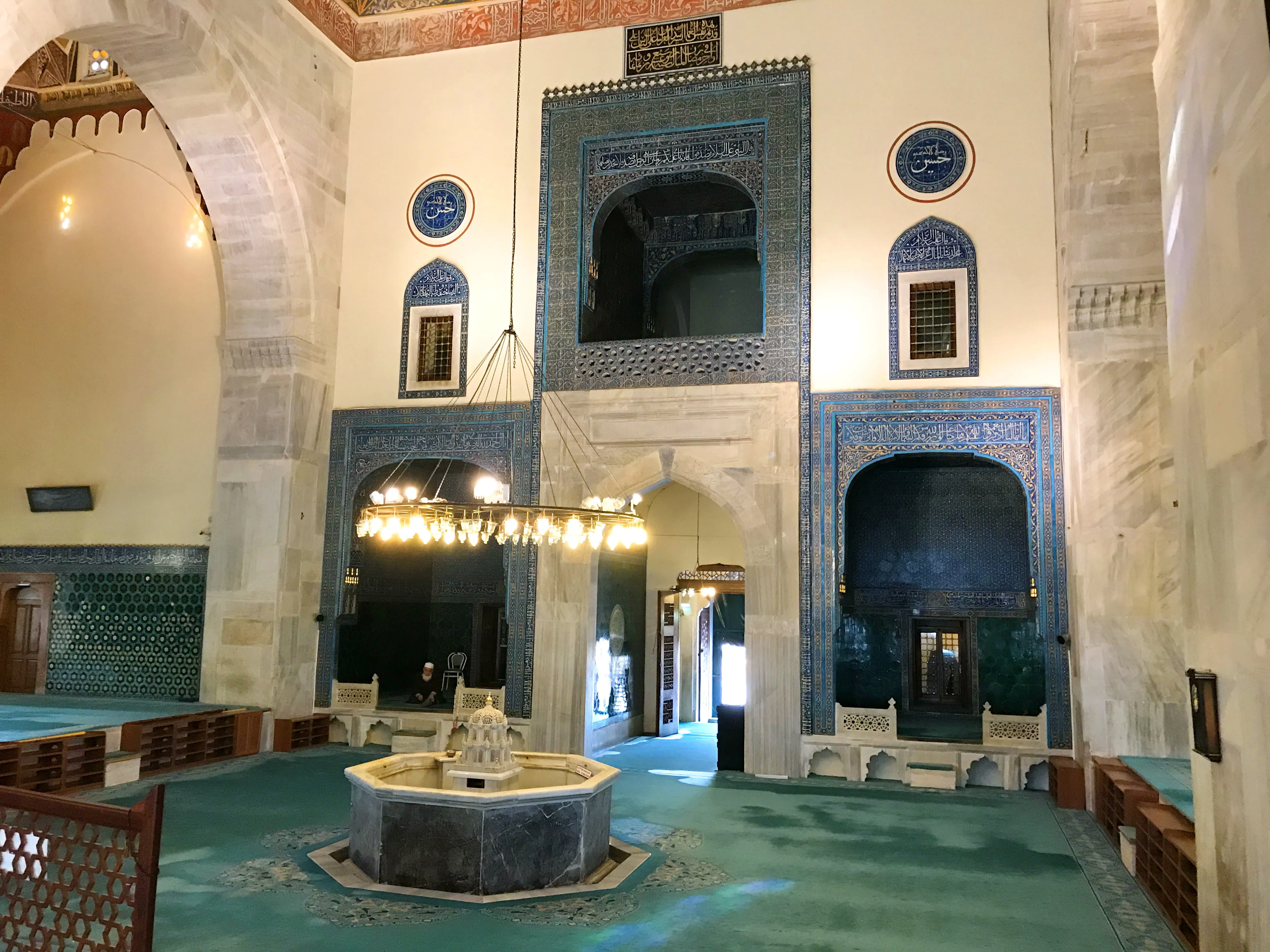
Located opposite the tomb, this mosque features elaborate marble carvings and extensive interior tilework. The upper floor contains a royal loge with a distinct decorative style.
Observe the carved marble workmanship around the main entrance portal.
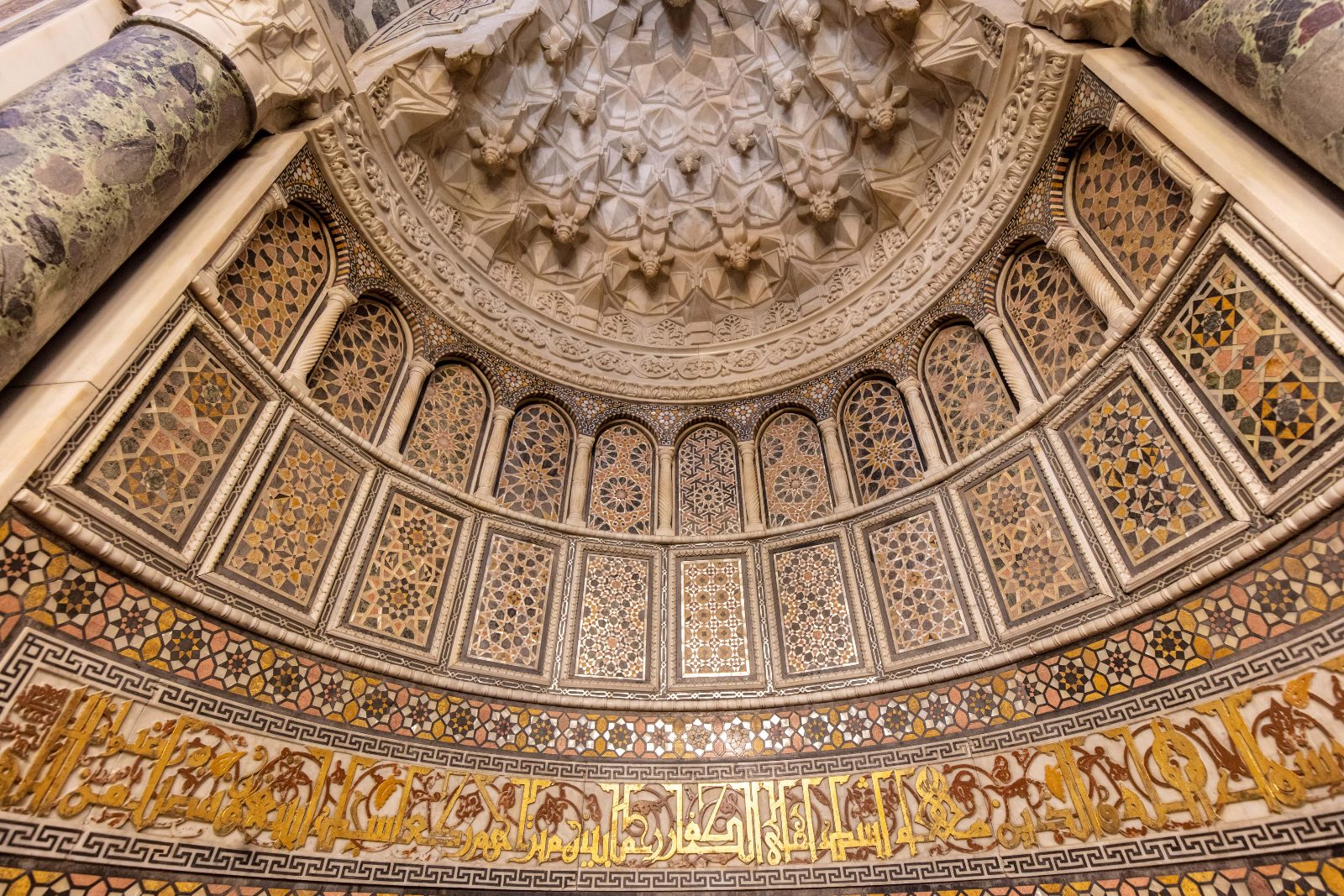
This structure is known for its twenty domes and large calligraphic panels displayed throughout the interior walls. It serves as a central example of multi-domed Ottoman architecture.
Walk to the central fountain to see the light from the domes.
This site houses a collection of tombs belonging to Ottoman sultans and their family members set within a quiet garden. The surrounding architecture showcases diverse decorative tile motifs.
Visit the smaller individual tombs to view varied geometric tile patterns.
The area surrounding the historical center allows for easy exploration of Bursa's deep-rooted architectural and cultural heritage. Integrating these nearby sites provides a comprehensive perspective on the city's development from its early Ottoman origins.
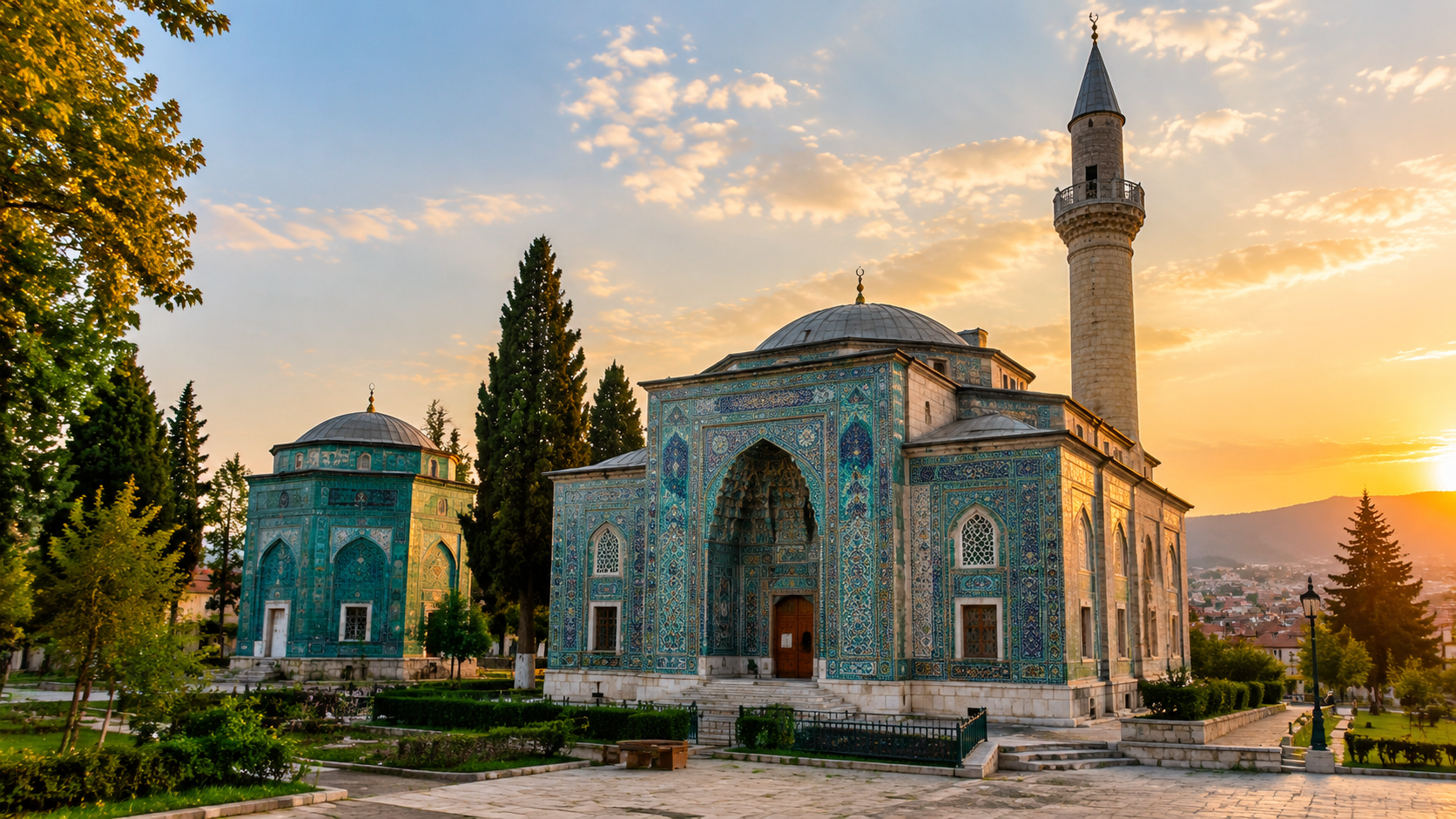
1 min walk
Located adjacent to the mausoleum, this structure displays notable tile work and serves as a primary example of Bursa's early architectural style.
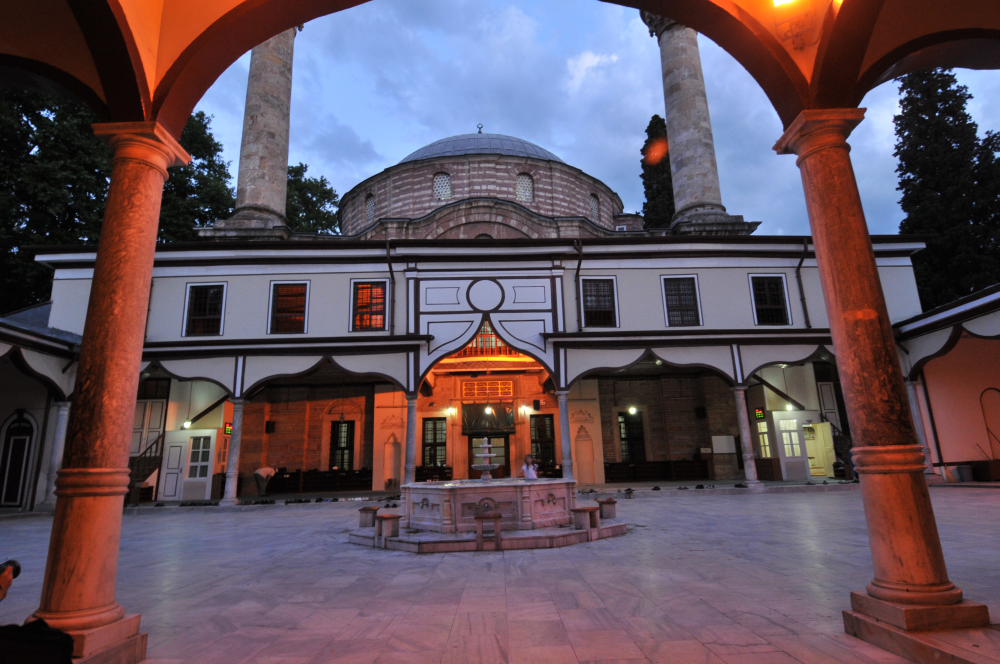
15 min walk
This mosque complex is situated on a hill overlooking the city and offers a quiet atmosphere that complements the historic district visit.
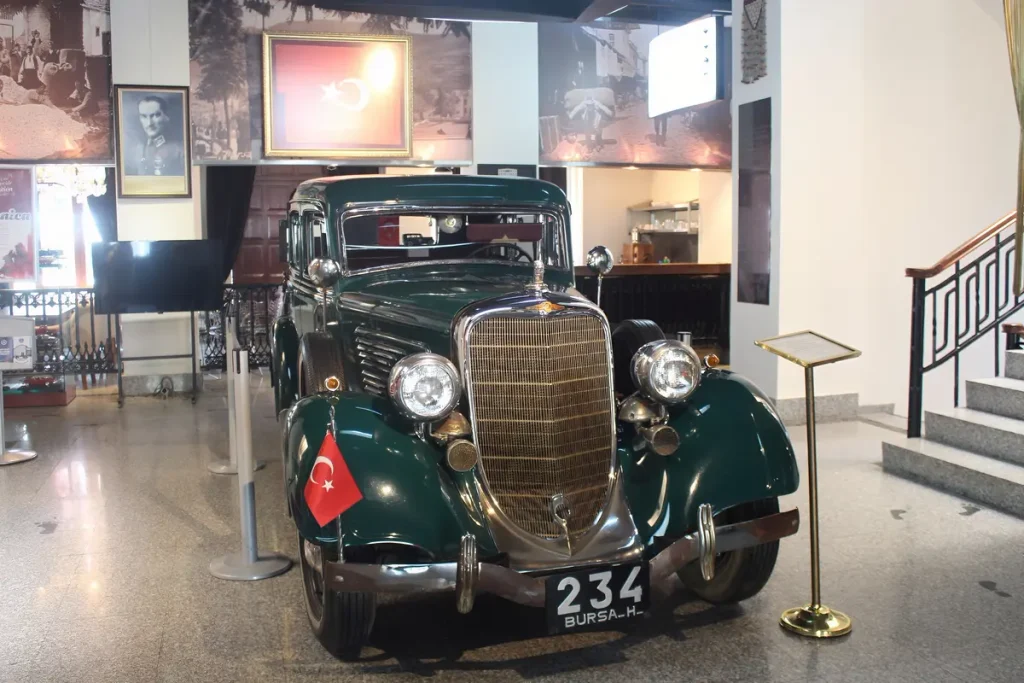
20 min walk
Located within the historical zone, this museum provides context on the evolution of urban life in Bursa, bridging the gap between historical monuments and modern city development.
25 min walk
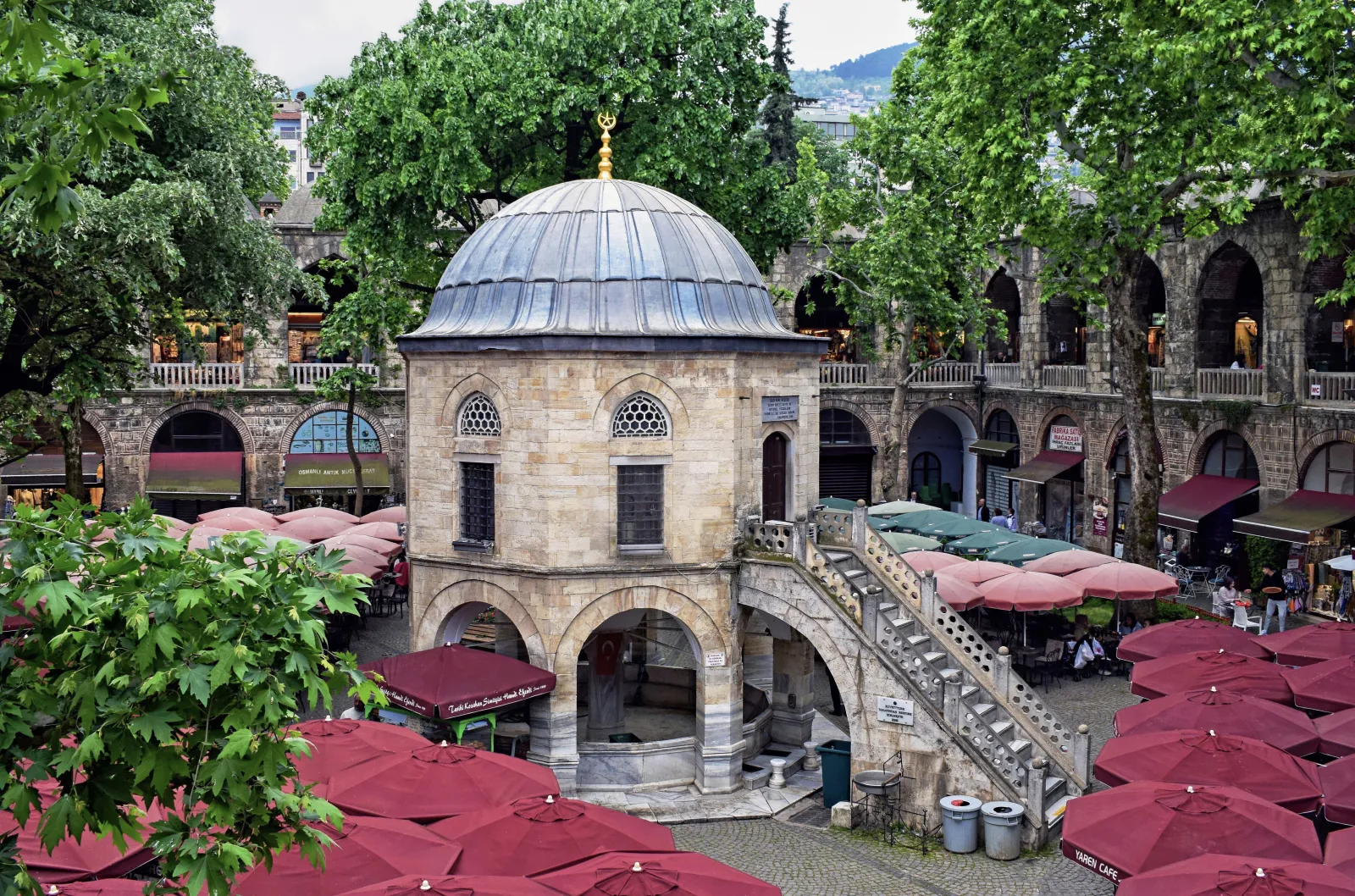
This historic silk market remains a functional hub for textile trade and offers insight into the economic history that supported the surrounding religious structures.
Everything you need to know about bursa tourist places
Most public sites and historical monuments in the city are free to access, including religious mausoleums. Please check the official entry fee section for specific details on sites like the Yeşil Tomb, which has an entrance fee of 0 TRY.
Visiting the Yeşil Tomb and surrounding historic areas is ideal between 08:00–10:00 to avoid peak crowds. This early arrival window allows you to experience these bursa tourist places in a quieter, more peaceful atmosphere.
When visiting historic mosques or mausoleums, it is respectful to dress modestly, covering shoulders and knees. Women may also choose to bring a headscarf, as these are active religious venues.
You can easily navigate between major Bursa historical sites using the city's bus network or taxis. Many key landmarks are located within the Yıldırım or Osmangazi districts, making it efficient to group your visits by neighborhood.
Yes, these destinations are generally family-friendly and offer a great opportunity to learn about Ottoman history. Just be mindful that active religious sites require a calm demeanor during prayer times.
Bursa is pleasant throughout the year, but autumn provides a mild climate for exploring outdoor landmarks. Planning your tour during these months ensures comfortable walking conditions while viewing the city architecture.